A guide to joints, muscles and collagen
Bovine, porcine or marine collagen? (restaurant translation: steak, pork or fish). Type I, IIor III? A beautifully coloured vial or a delicate powder? Too many choices, not enough information. We’re bombarded with collagen based products and advertising to help with menopausal joint and muscle problems, and I’m often asked for recommendations. Here’s my research based review of what we know.
Collagen is the body’s most abundant protein, and largely supported by a healthy diet. Supplement and dietary advice are beyond my professional scope. I’m in no way endorsing supplements, and believe there are so many other things we can do for joints and connective tissue - move well, in multiple ways and directions, eat well (including protein and meats containing natural collagen), strengthen, reduce pressure on joints, use heat and cold when indicated - before we even think about needing something external that’s potentially expensive and may not work.
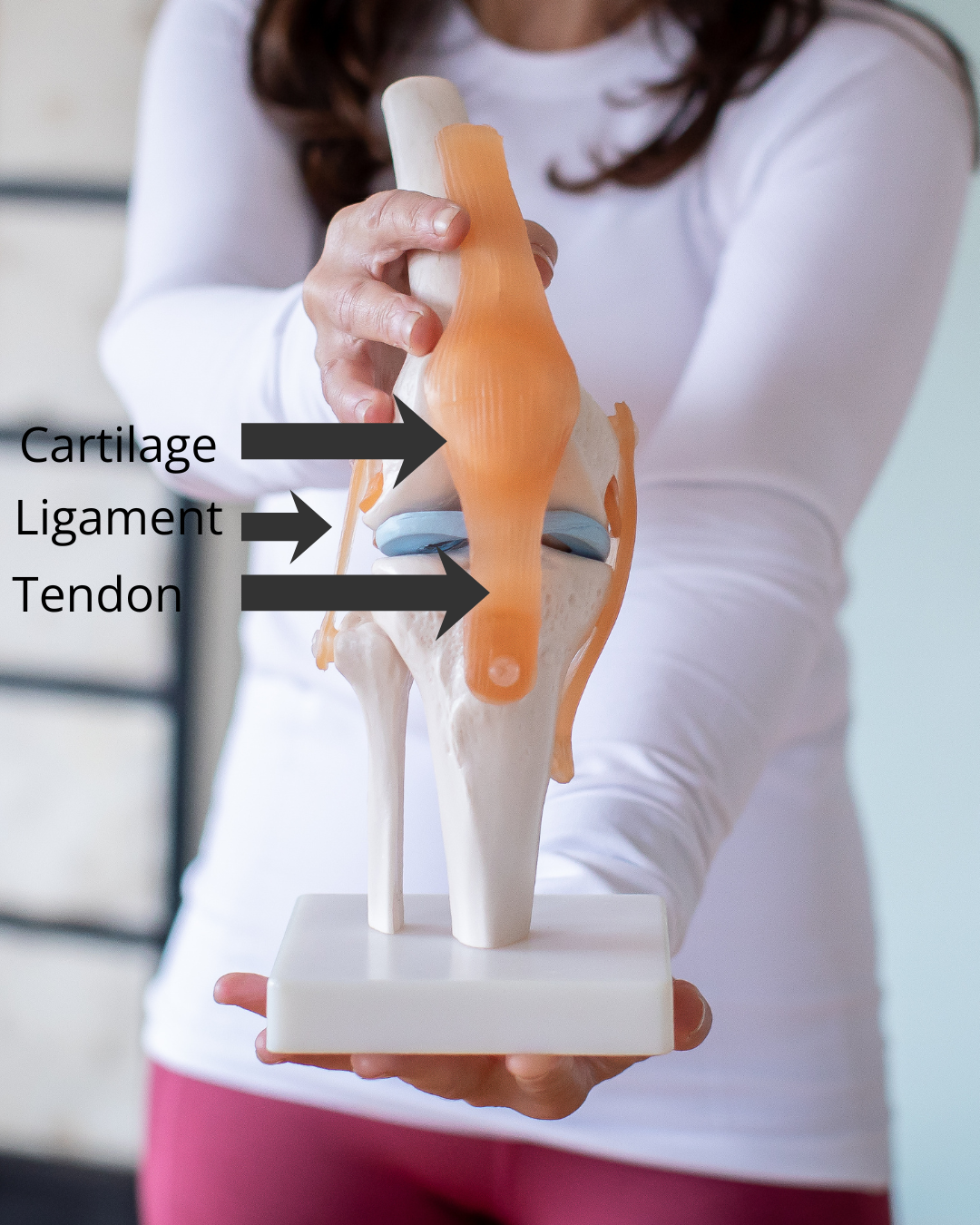
Here’s a typical joint (in this case, the knee). It shows ligaments, attaching one bone to the next, and a tendon attaching muscle to the bone. Cartilage is the smooth, lubricated surface at the ends of bone which allow movement and shock absorption.
Collagen gives the bones, ligaments, cartilage and tendons essential strength and stability, allowing them to withstand and transmit high forces.
There are many different types of collagen.
Bones, ligaments and the connective tissues holding joints together are primarily Type I collagen, whilst Type II makes up over 90% of the cushioning cartilage. Muscle tendons are predominantly type I collagen,there is type II in the part where it attaches to the bone and type III in the sheath surrounding it.
How does dropping oestrogen affect collagen in joints?
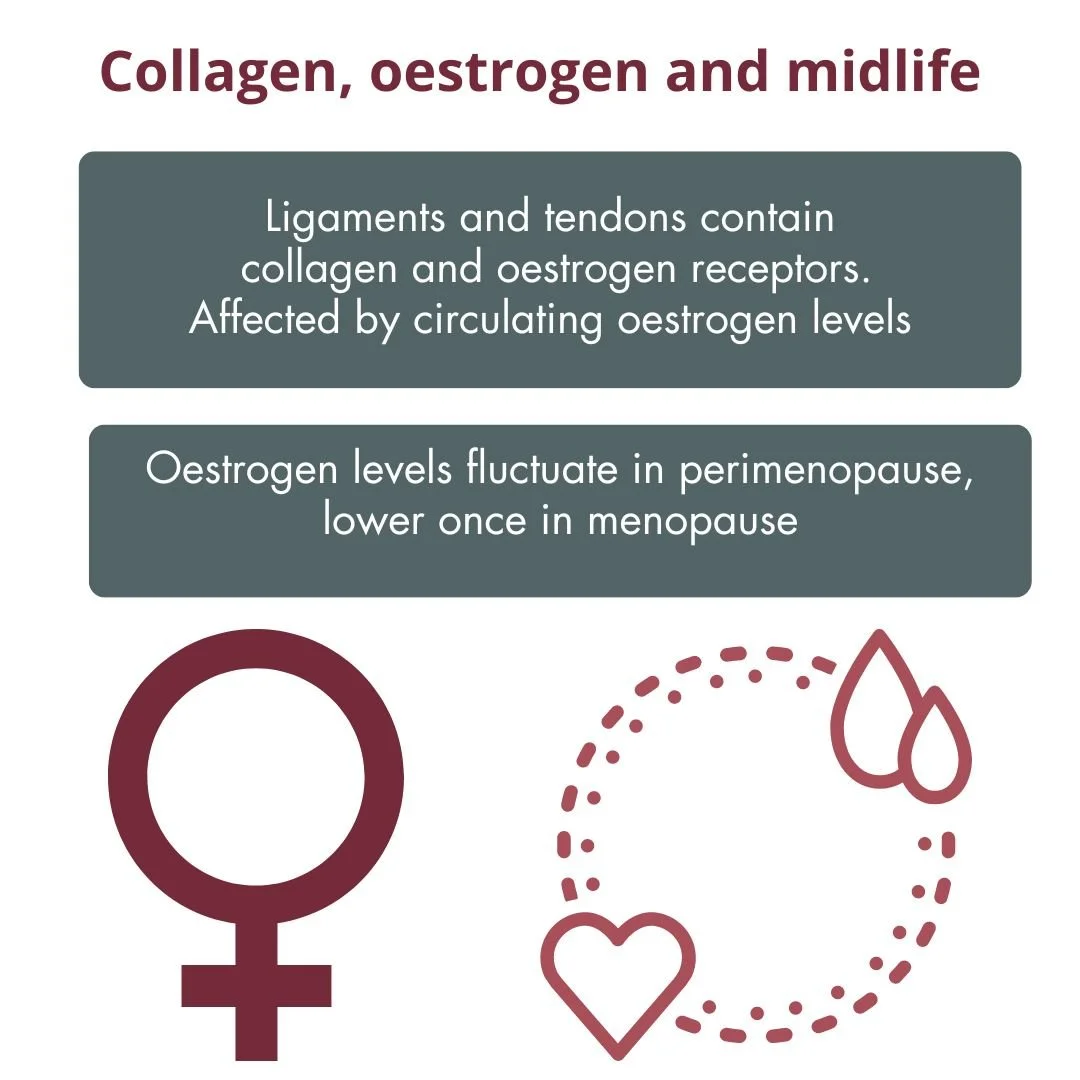
Collagen tissues and other joint tissues have oestrogen receptors. Dropping oestrogen, alongside ageing, can impact them. Up to 20% of women find that joint pain is their most dominant perimenopausal symptom. Academics have a collective term for the joint, muscle, nervous system, bone and inflammatory symptoms affecting women in menopause: Musculoskeletal Syndrome of the Menopause.
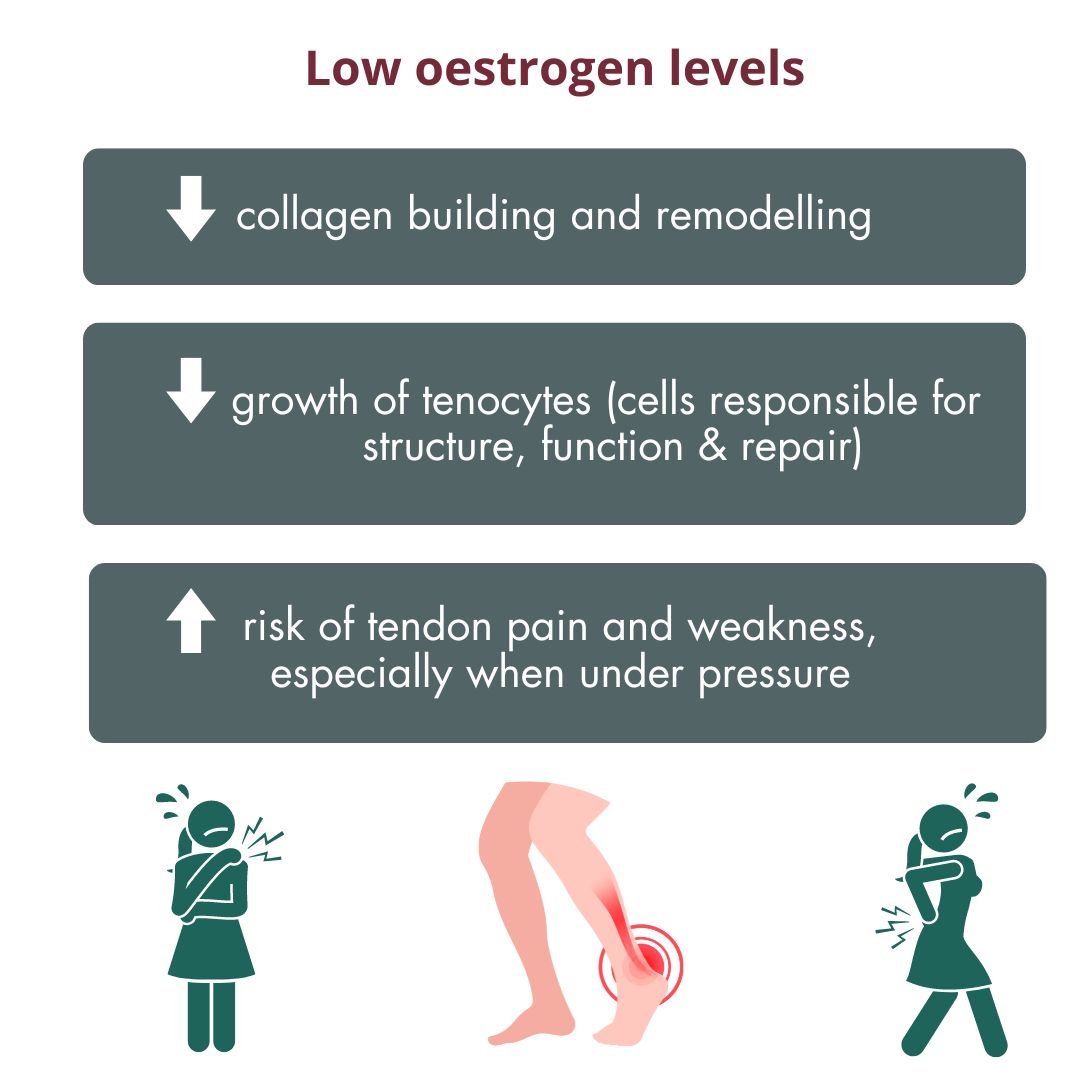
Here’s what can happen in peri and post menopause. The ligaments and tendons also have elastin, which gives them a lovely recoil, but these stiffen with increasing age.
Promising new information
A recent large scale review of 400 papers and over 100 randomised controlled trials and nearly 800 patients found that collagen supplementation had consistent, meaningful benefits for skin, bone, and muscle health.
In people with osteoarthritis, collagen supplements helped with symptom relief on well recognised, validated scales (Visual analog scale - where symptoms are rated on a scale of 0-10 and WOMAC scale). This review found small but significant improvements in muscle health, tissue integrity, cartilage repair and preserving lean muscle mass and maximum strength. Another study looking at knee osteoarthritis found type II undenatured collagen helped improve inflammation and cartilage regeneration. This is promising, but we need alot more female, age and condition specific information.
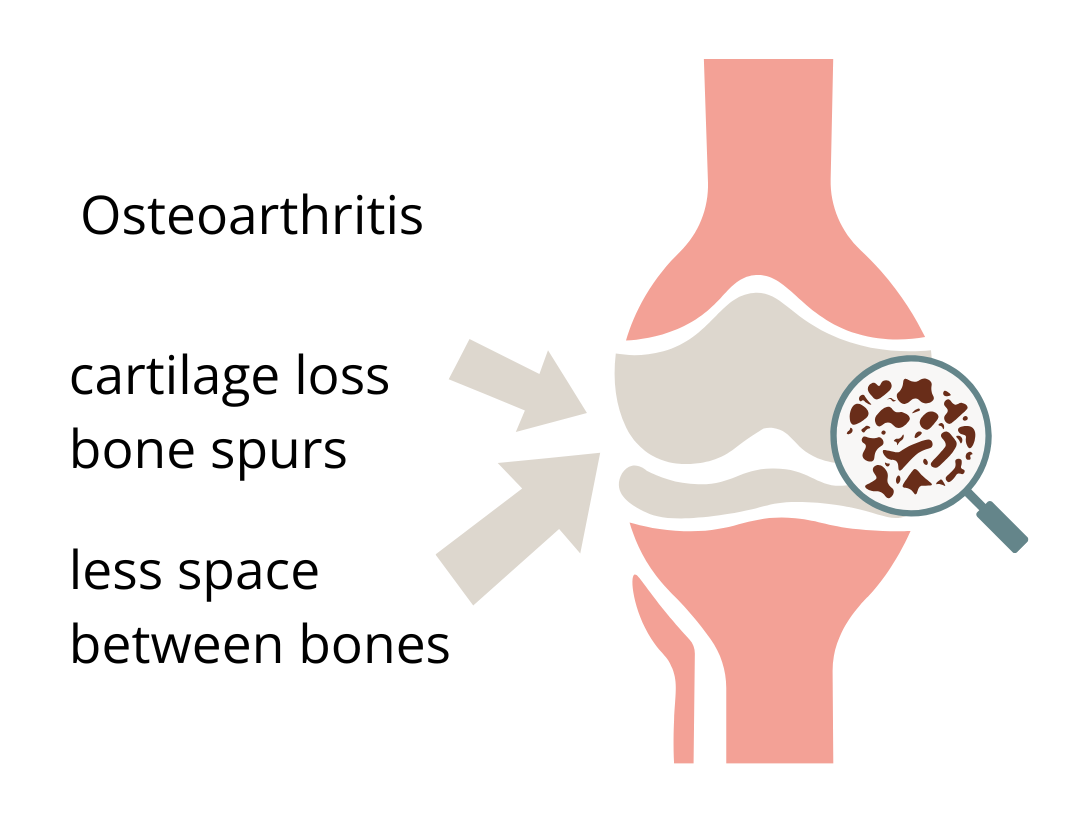
Collagen supplements were associated with symptom relief on well recognised, validated scales in one large scale review.
Authors suggested changes in osteoarthritic joints and tendons in those taking collagen were achieved through stimuling dynamic proteins and other tissues that surround cells in these tissues.
There are also well documented benefits for bone mineral density when type I collagen supplements are taken alongside Vitamin D, though weight bearing and resisted exercise is also recommmended.
What collagen doesn’t do and unanswered questions
Effects appear to be accrued over the longer term, and don’t have an immediate impact. They won’t affect your strength recovery in the 48 hours after exercise or post exercise muscle soreness. More work is needed to understand if and how benefits differ between collagen sources (e.g. bovine, porcine, marine) or and how it’s consumed (e.g. liquid vs powder). There’s also the potential for a placebo effect.
What we know works
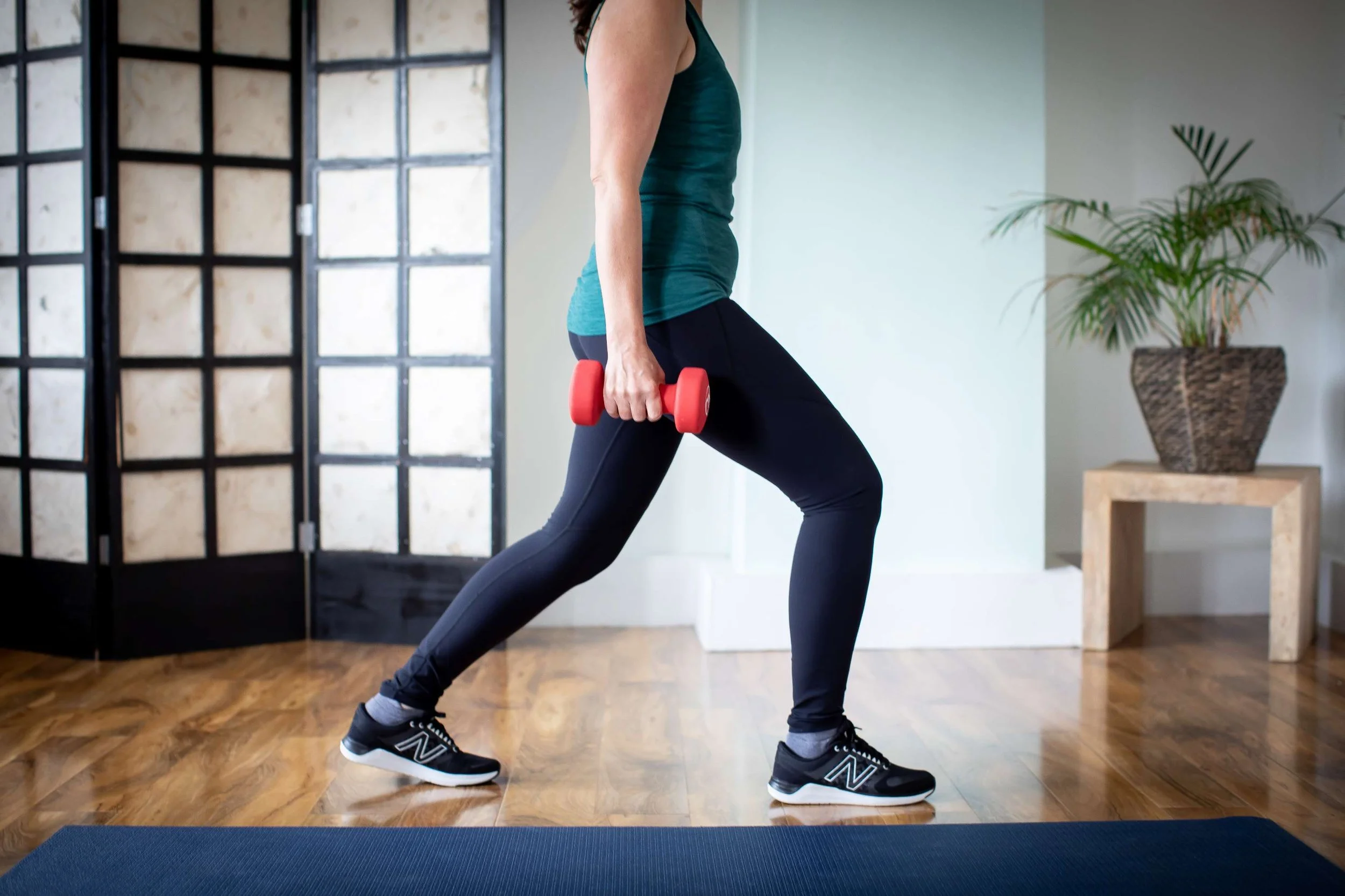
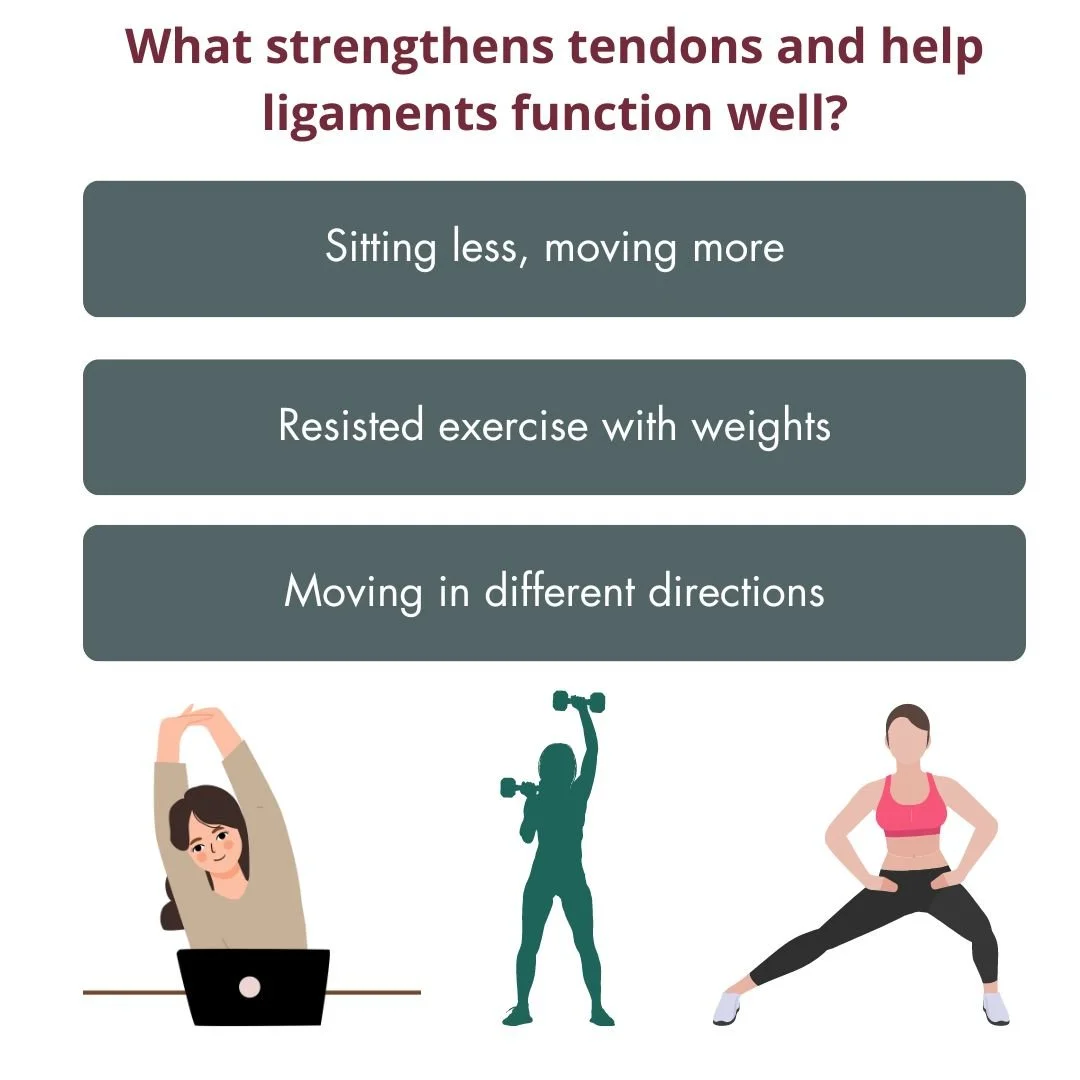
We do know that moving a joint in multiple directions and strengthening the muscles against resistance definitely helps them stay strong and resilient.
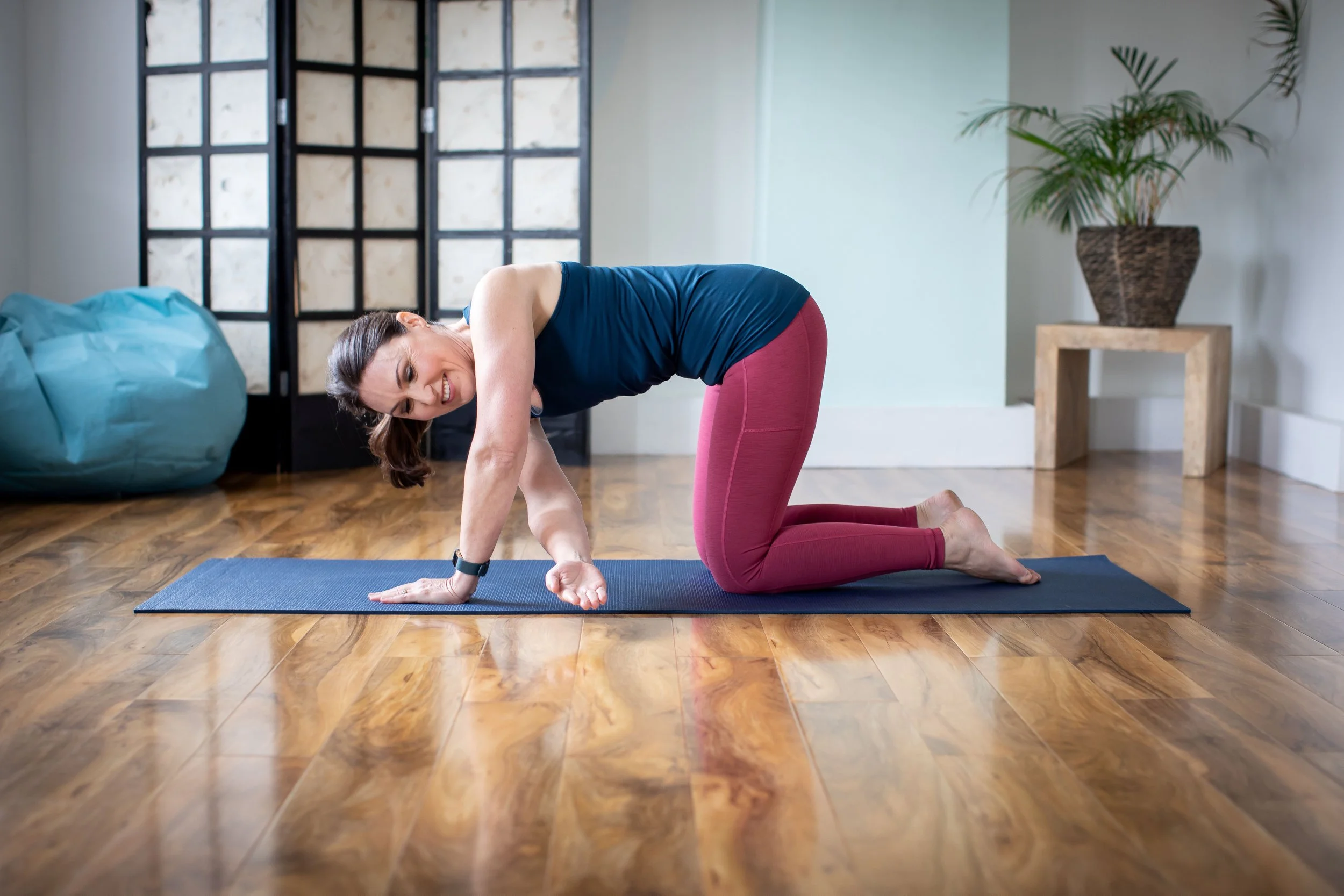
It makes sense that moving joints in varied directions increases the blood flow and lubricates the joint, which in turn supports collagen health. It also helps us feel more flexible and to stay that way. This is often done in Yoga or Pilates, which helps make them such a positive exercise choice.
Strong muscles that coordinate well around the joints, for example quads and hamstrings around the knee, help ligaments stay healthy and reduces excess strain. This is because muscles help the joint manage their load and respond quickly and appropriately when they are joints are under pressure.
Working against resistance, be that in the form of our body weight, a band or an exercise weight, stimulates the turnover of cells and renewal and in doing so keeps collagen healthy and stronger for the long term. Resistance exercise remains essential.
What do early studies on HRT, tendons and how collagen responds show?
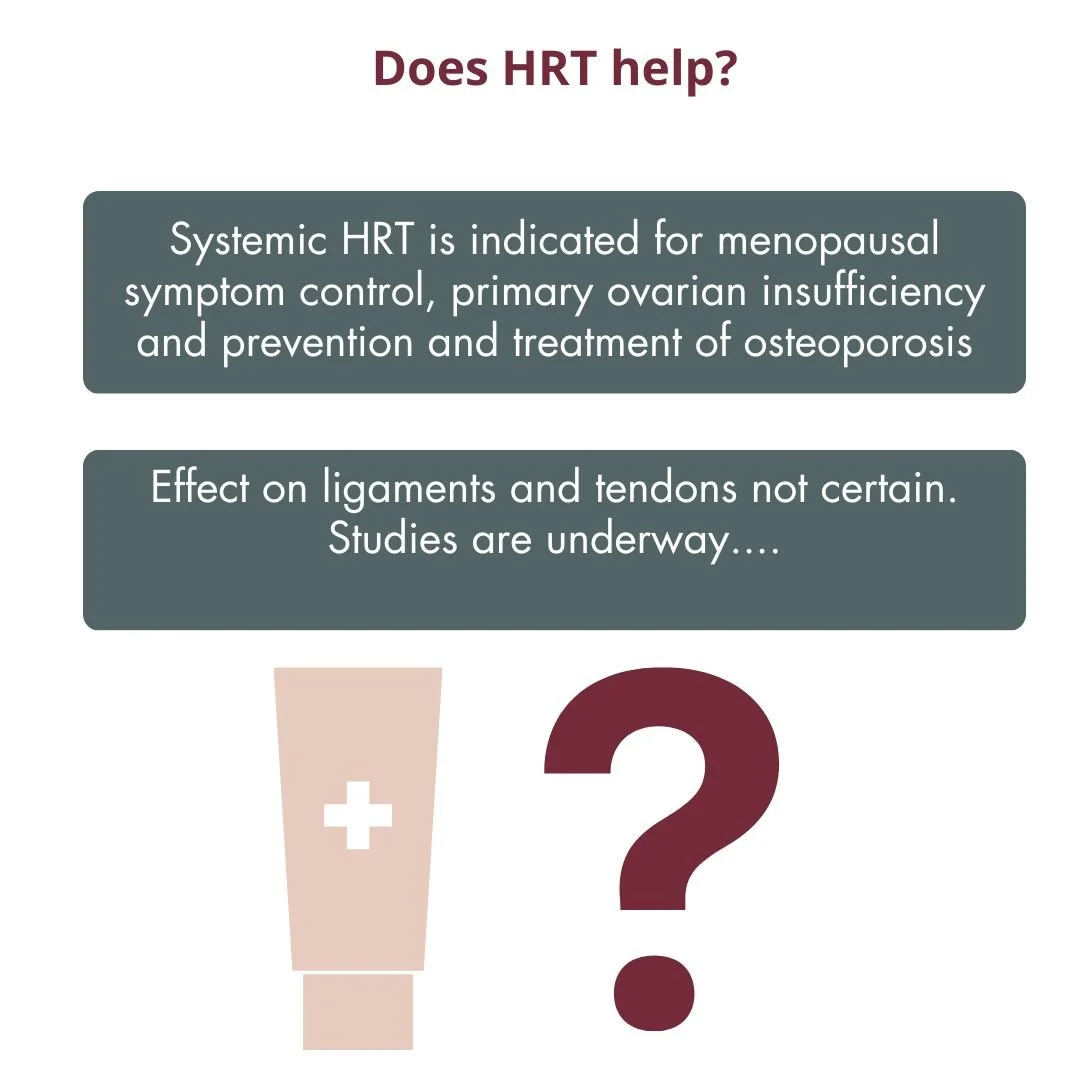
There have been so few studies, but recent ones have focused on gluteal tendons on the outer hip and inserting on the outside of the upper leg. One noteworthy study looked at post menopausal women with outer hip tendon pain. They had either hormone therapy or placebo, which was used in combination with tendon specific or sham exercises. All groups received education on the condition.
All groups responded positively, but women with a BMI under 25 and hormone therapy, any exercise and education had less pain and better hip function.
References
Gupta, A and Maffulli, N. Undenatured Type II collagen for knee osteoarthritis. Sports Medicine & Musculoskeletal Disorders. 2025. doi: 10.1080/07853890.2025.2493306
Martinez- Puig, D et al. Collagen supplementation for joint health: the link between composition and scientific knowledge. Nutrients . 2023 Mar 8;15(6):1332. doi:10.3390/nu15061332
McMillan et al. Does Menopausal Hormone Therapy, Exercise, or Both Improve Pain and Function in Postmenopausal Women With Greater Trochanteric Pain Syndrome? A 2 × 2 Factorial Randomized Clinical Trial. American Journal of Sports Medicine. 50:2 doi.org:10.1177/03635465211061142
Ravindran R, et al. Collagen Supplementation for Skin and Musculoskeletal Health: An Umbrella Review of Meta-analyses on Elasticity, Hydration, and Structural Outcomes. Aesthetic Surgery Journal Open Forum. 2026. ojag018. doi.org/10.1093/asjof/ojag018
Sun et al. Efficacy of collagen peptide supplementation on bone and muscle health: a meta-analysis. Front Nutr. 2025 Sep 18:12:1646090. doi: 10.3389/fnut.2025.1646090
Wright et al. Musculo-skeletal Syndrome of the Menopause. Climacteric Oct 2024.27(5):466-472. doi: 10.1080/13697137.2024.2380363.