Weight loss injections, your muscles, bones and joints: what women need to know
The explosion of weight loss medications has revolutionised approaches not just to weight, but to wider health and chronic conditions, such as type 2 diabetes. There is growing evidence that weight management and how well your metabolism works can affect pain from knee osteoarthritis and tendons. That said, like all medications, there are pros and cons of using them, and being forewarned is being forearmed.
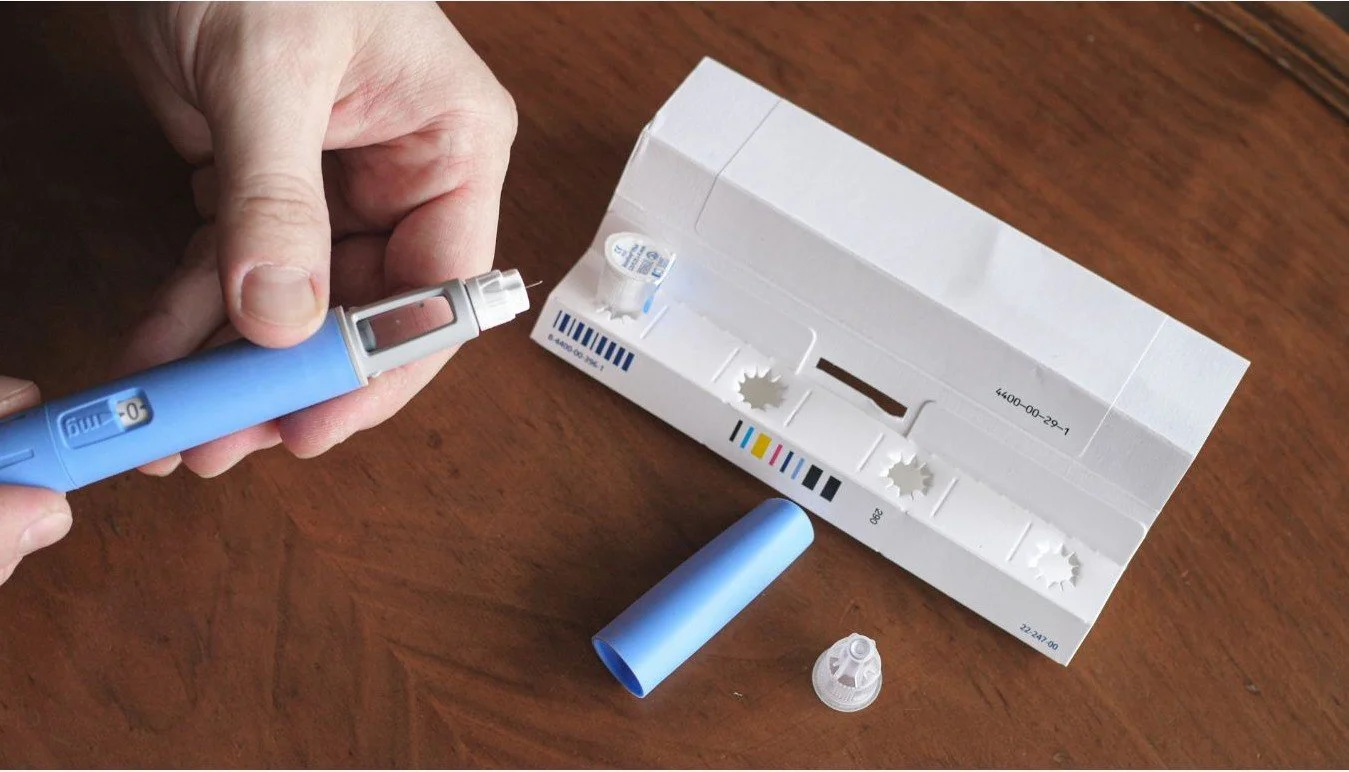
Understanding your metabolism, how muscle strengthening and exercise can help you on your weight management journey and the role they play in maintaining weight once you come off the jabs is vital.
Harmonious balance
Metabolism refers to the constantly occurring chemical processes that convert food into energy for our cells, growth and repair. These keep us in balance, stopping blood sugars and energy levels from going to extremes. This is important not just to keep us feeling well and in control.
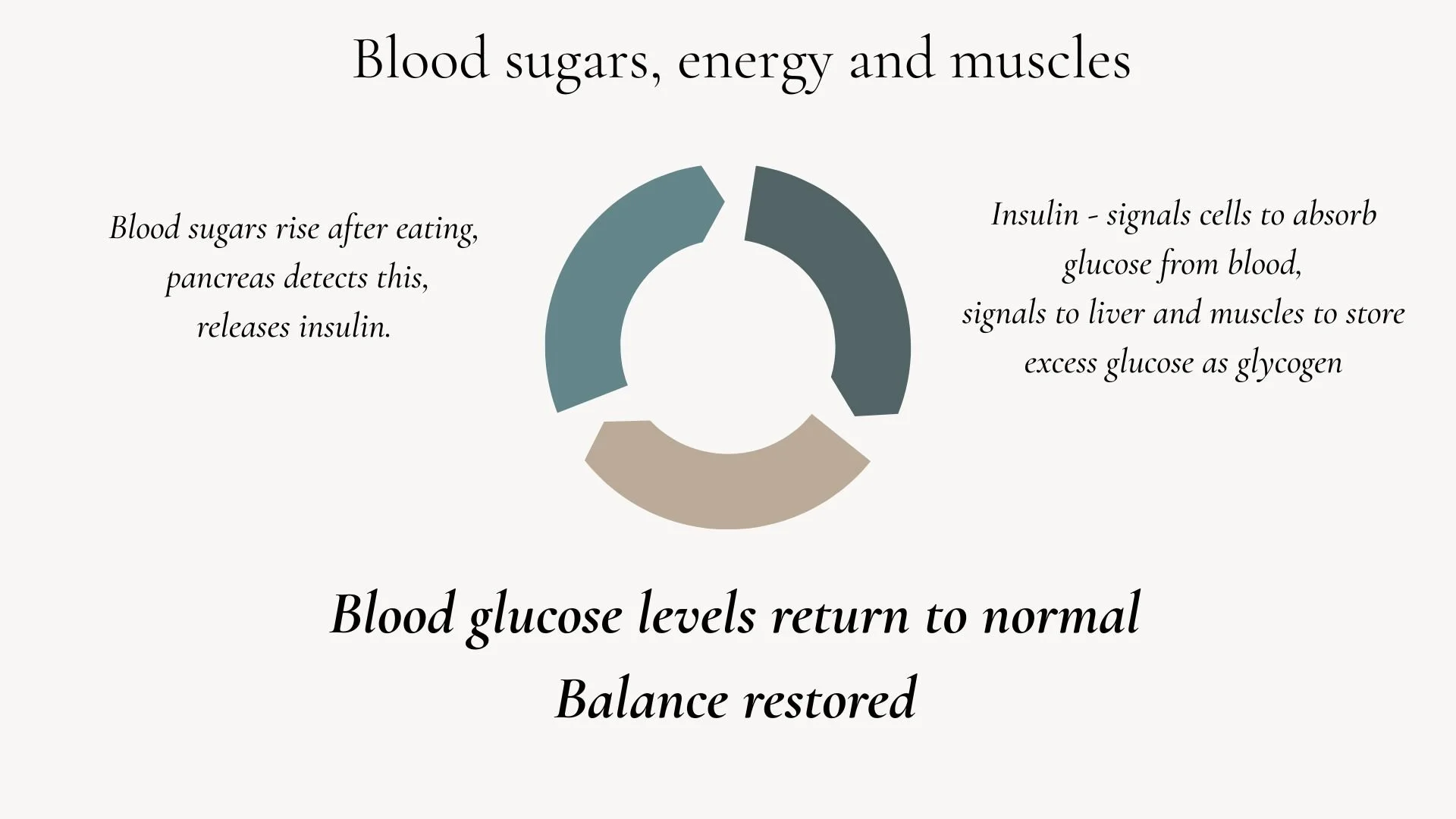
Glucose (sugar) is your body’s main source of energy. When you eat, your body reacts to process glucose and your muscles, and your liver help process and store any excess.
Why muscles matter
Muscles soak up glucose from the blood stream like a sponge, and store it as glycogen. They are a metabolic powerhouse, giving us a vital, ready energy source. Like all valuable resources, they need to be strengthened and protected to work at their best.
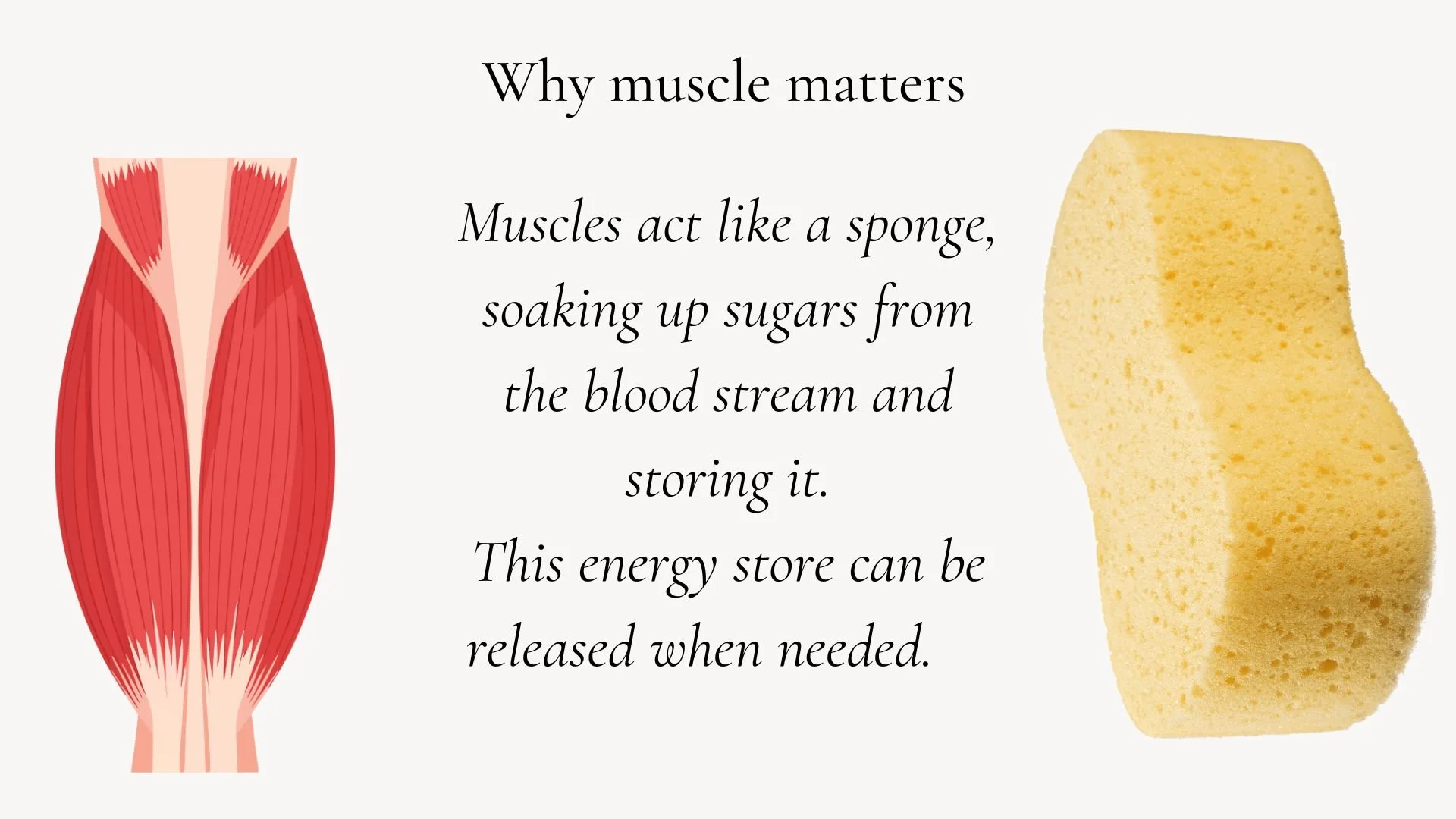
A healthy muscle mass helps your metabolism works effficiently not just when you’re moving, but also at rest. Women under 40 have, on average, a skeletal muscle mass of 30-33%, but this decreases as we get older. During peri and early post menopause, this can drop dramatically unless steps are taken to maintain and improve strength. Good muscle strength and quality helps muscles do their job - not only helping you move, but supporting your metabolism and regulating blood sugars.
Can you relate to being ‘out of balance’?
If insulin isn’t secreted in sufficient quantities, and/or when muscles, liver and fat cells are less responsive to insulin, blood sugar levels can rise too high.
Exhaustion and sugar cravings
Immune system issues and picking up illnesses
Weight that’s hard to shift
Low mood
Worsening joint pain which might be linked to your general health
Persistent high blood sugars can also also damage our blood vessels and nerves.
How weight loss injections work
It’s always useful to understand how medicines you take work, as it can ease uncertainties and help you make the most of their benefits. This diagram explains how weight loss injections work.
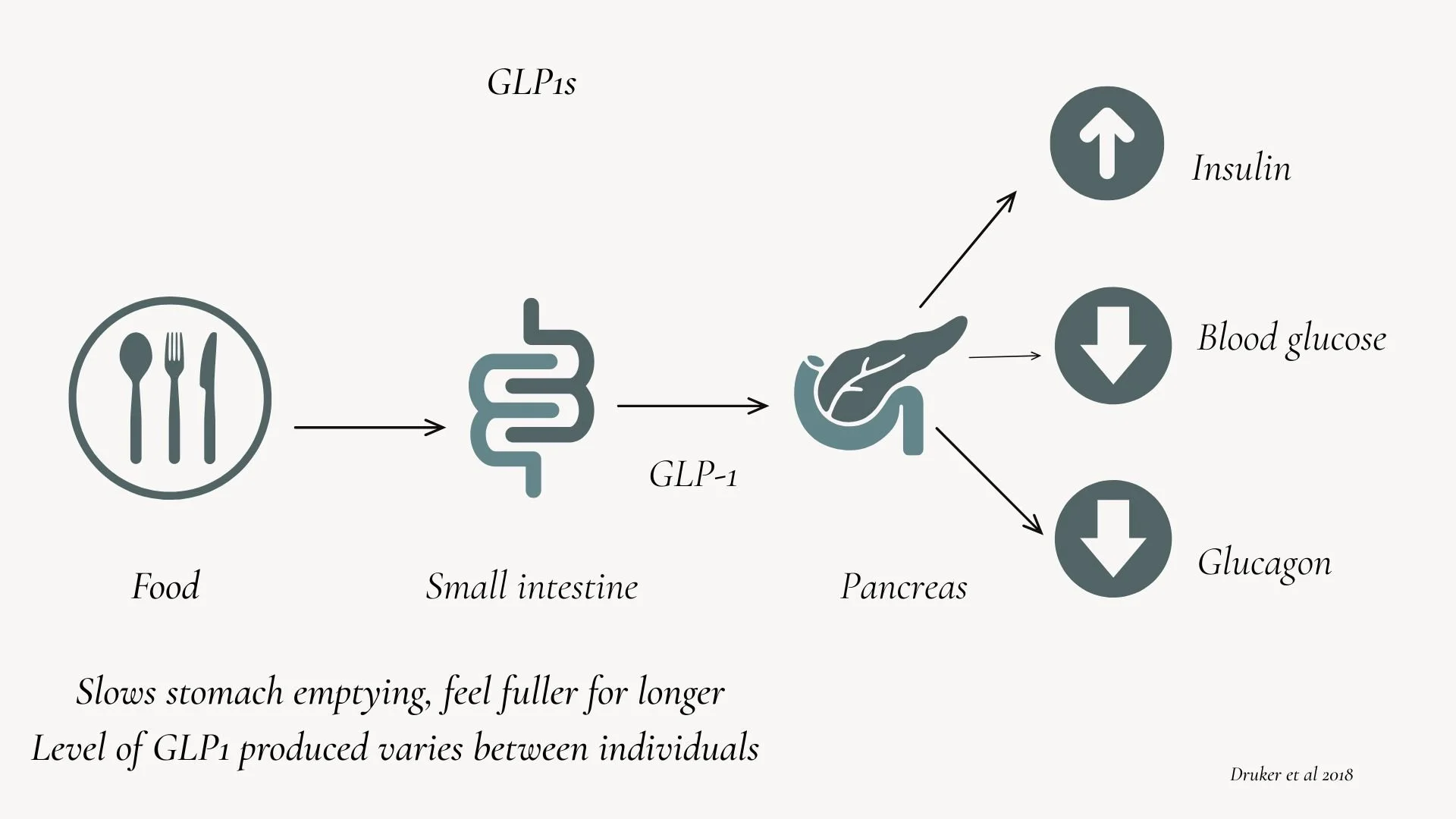
The GLP-1(glucagon-like peptide-1) hormone regulates blood sugars and appetite through stumulating insulin release, slowing stomach emptying and helping you feel fuller for longer. Weight loss injections such as Wegovy, Ozempic, Mounjaro and Saxenda work by mimicing the action of GLP-1 or the combined action of GLP-1 and another hormone, GIP.
For more detailed information see here.
Weight loss injections: how they act how you feel

Weight loss injections can help you feel fuller for longer and regulate your blood sugars, which in turn can help your mood and energy levels. You might also experience side effects, such as nausea, which should be discussed with your prescribing doctor.
What are you actually losing?
When dropping the weight, are you losing more than just fat? It’s quite likely. Women on these medications are likely to lose bone and muscle mass.
This is a problem on multiple fronts. In perimenopause, women are not only at risk of losing muscle mass, which is so critical to staying resilient and supporting your health and metabolism, but also bone mass. If you’re on weight loss medication, you need to do activity which strengthens the muscles and stimulates bone regeneration and turnover. Doing this safely and effectively will also help compound the benefits of medication. If you’re not active or maintaining strength you could end up with bone thinning, greater risk of breaks and weakness.

Click here to understand more about how hormones can profoundly affect your bones, joints and muscles.
Muscles and metabolism: moving to support your weight
There are 3 key movement essentials for women who are 40+.
Weight bearing activity
Resistance activity
High intensity activity
They build strength and resilience, and help support your metabolism and maintaining a healthy weight.
Weight bearing activity is activity where you are taking your weight through your limbs, such as press ups, fast walking or dancing.

Resistance activity is where you are moving against a resistance, such as resistance bands or weights.
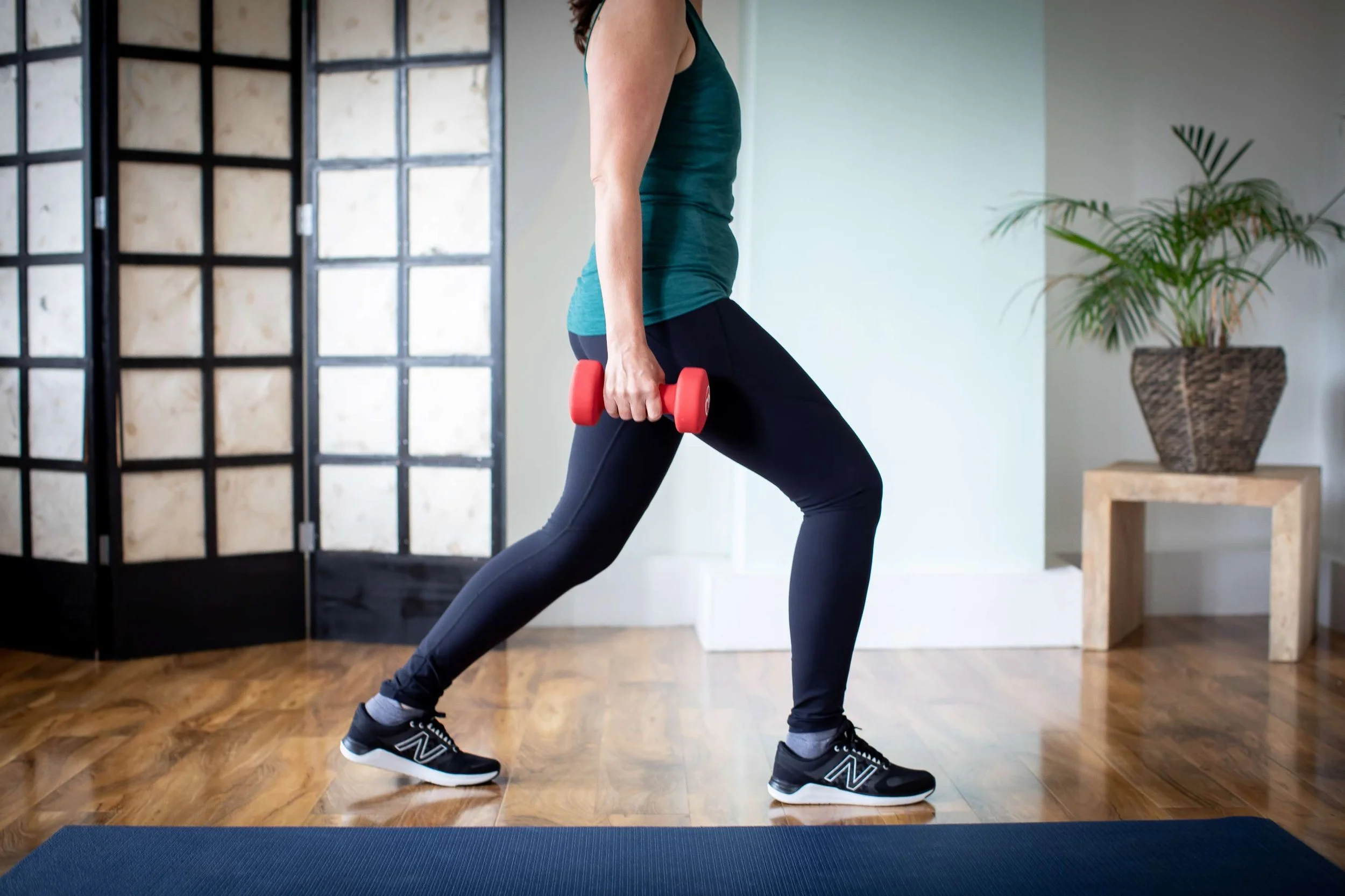
High impact activity is where your feet or hands are off the ground at the same time, increasing pressure through your bones and joints and making your heart pump faster. Examples include exercise classes which get you slightly out of breath or light jogging.
Women have special needs around movement, especially if they are in peri or early post menopause and using weight loss injections. If you’re taking weight loss medications, you might also find it difficult trying to be active alongside managing side effects. If this is an issue, doing a little bit of movement, often, is better. Seek help from health care professionals if you’re struggling with side effects.

Women are not small men. Neither are they just an older version of their teen selves, doing old routines which used to work much better. Doing lots of repetitions of the same exercise (potentially boring!) or programmes developed for men won’t work as well as specialised ones either. The legacy of pregnancy, childbirth, hormonal changes, age and life pressures have an impact, and your needs and your body’s response to activity changes. Joint pain can get in the way of movement too, but there are ways to be active without causing more pain and problems. For sustainable results, movement and exercise programmes need to consider menopause, time constraints, competing demands on time and body confidence.
In response to women’s unique needs, Dietitian and Nutritionist Laura Clark and I have developed a programme to feeling nourished, strong and stable.
If you’re curious about moving well and dietary support while you’re using weight loss injections, click the button below.
References
1) Biddall, H et al. Once-Weekly Semaglutide in Persons with Obesity and Knee Osteoarthritis. N Engl J Med 2024;391:1573-1583. DOI: 10.1056/NEJMoa2403664
2) Druker, D. Mechanisms of Action and Therapeutic Application of Glucagon-like Peptide 1. Cell Metab. 2018 Apr 3;27(4):740-756. DOI: 10.1016/j.cmet.2018.03.001.
3) Prado, C et al. Muscle matters: the effects of medically induced weight loss on skeletal muscle. Volume 12, Issue 11p785-787November 2024.
4) Vaish, A et al. Metabolic Syndrome and Its Impact on Bone and Joint Health: A Comprehensive Review. 2025: Volume 22, Issue 3.
5. NHS INFORM. https://www.nhsinform.scot/illnesses-and-conditions/blood-and-lymph/hyperglycaemia-high-blood-sugar/
Volume 12, Issue 11p785-787November 2024