Pain and perimenopause: what’s happening, quick wins
It can feel like your body’s letting you down. So what’s really happening and what can you do?
Inflammation
More than half of perimenopausal and menopausal women have generalised joint pain, and this doesn’t necessarily correlate with joint issues on scans. Something else is going on.
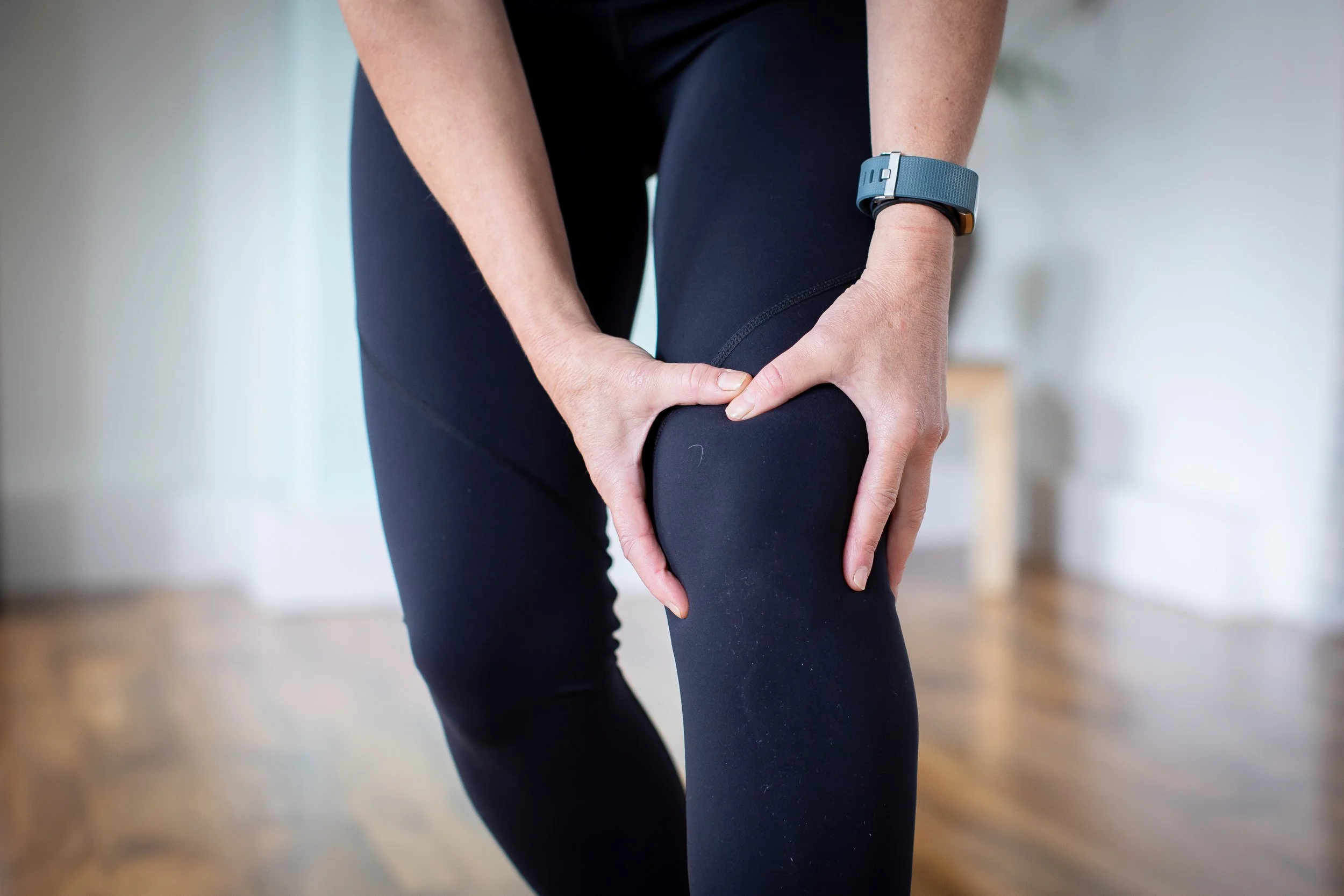
Oestrogen helps regulate inflammation and has a role in preventing generalised joint pain. The most potent biologically active form of oestrogen (17 beta oestrodiol), inhibits release of inflammatory triggers (inflammatory cytokines). These can trigger or heighten inflammation, and diminish the muscles’ ability to respond to damage and function well, as well as promote accumulation of fat mass.
The result - women struggling to elevate their shoulders without pain, trouble sleeping on their side due to hip tendon changes, struggling with typing due to elbow, forearm and wrist inflammation and limping with heel pain.

5 quick wins for inflammation
Understand what’s aggravating your joint or muscle problem
Maintain gentle movement, stopping short of severe pain
Support the affected area. Physios can help you understand what is best (and what not to waste money on!) e.g. a support for the wrist for carpal tunnel pain, a pillow between the legs when sleeping for outer hip tendon problems
Nourish yourself to support healing. See Laura Clark @menopause.dietitian’s guidance on menopause and gut health here
Practice self care. Stress and anxiety worsens inflammation, so support yourself with coping strategies.
2. Muscle pain, reduced muscle mass
Women lose 3 to 8% of their muscle mass every decade after age 30, with this loss accelerating to 5 to 10% after age 50. In late perimenopause and post menopause, women are much more likely to have sarcopenia (involuntary muscle loss). Finding it harder to grip the kettle or a weight? A bit tougher running up the stairs or hills? Menopause is a potential contributor.
This matters because loss of muscle mass and strength impact not just how we move and feel, but our ability to burn energy and risk of conditions such as diabetes or heart disease.
Have good quality sleep over 7-8 hours and for the most active women, schedule rest and recovery.

5 quick wins for muscles
Add inclines to regular walks/runs
Focused resistance training, emphasising heavier resistance rather than lots of repetitions
Maintain flexibility
Ensure appropriate protein intake
Have 7-8 hours of good quality sleep, schedule rest and recovery
3. Bones can become less dense and less resilient
Women have an average reduction of 10% in bone mineral density during perimenopause and menopause. The fastest bone loss starts about a year before your final period, stays accelerated ~3 years, then slows but continues post menopause. Being more active, be it through housework, gardening or regular exercise, is associated with greater bone strength and density, both before and during menopause. This directly affects risk of osteopenia and osteoporosis.
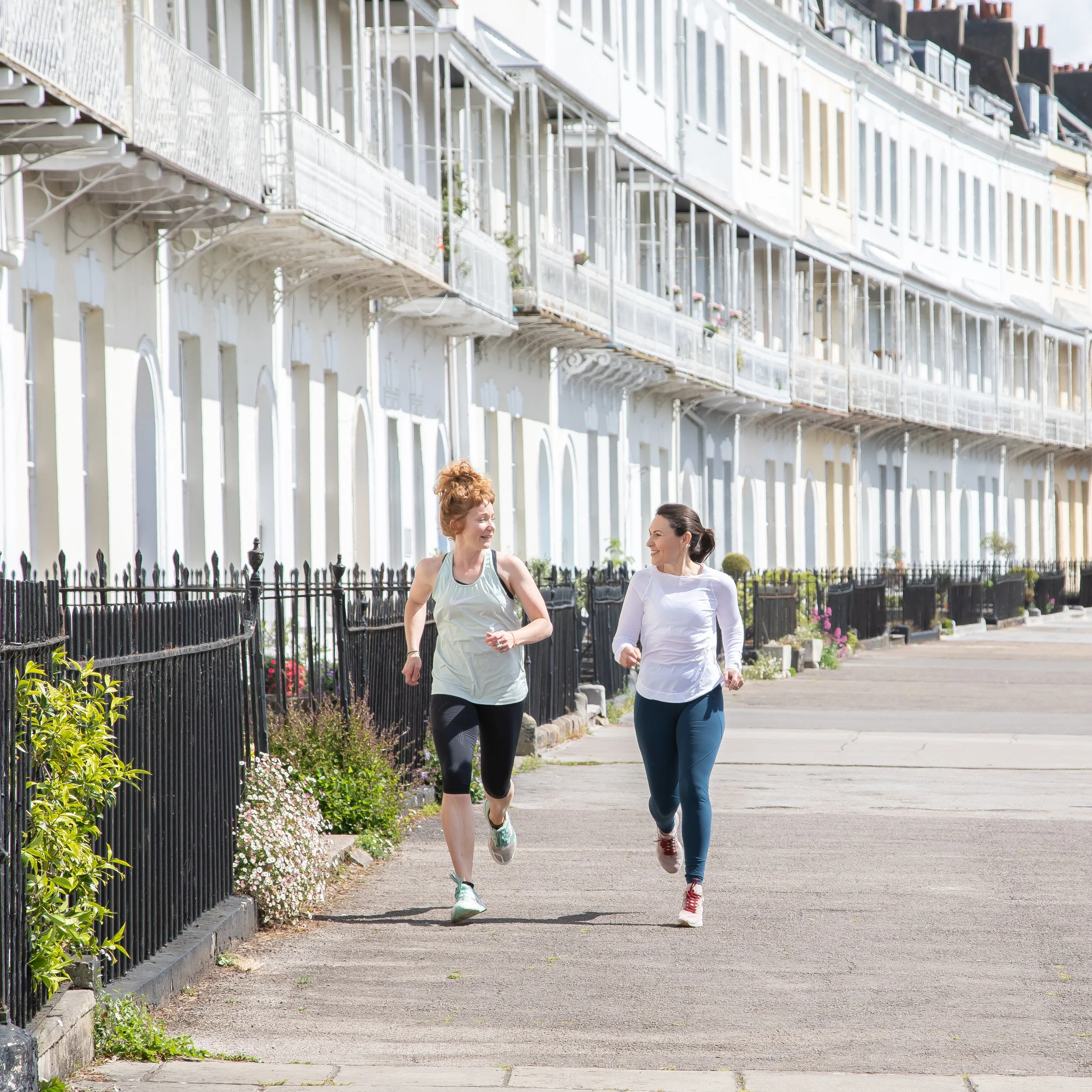
5 quick wins for bones
Do weight bearing exercises, taking weight through arms and legs.
Lift heavier weights
Add impact. High impact exercise os better for bones, e.g. light jogging, adding vigour to a press up
Move in multiple directions, not just a straight line e.g. ball sports, tennis
Take Vitamin D in autumn and winter months. IT helps regulate calcium and phosphate uptake, and is recommended by the NHS.
4. Collagen, cartilage and connections
Oestrogen stimulates collagen production and turnover, helping to cartilage strong, and our ligaments (which support our joints) and tendons (which attach muscles to bone) resilient. As we get older and there’s less circulating oestrogen, the body is less efficient at repairing cartilage and tendon issues, which in turn can not only make women more prone to injury, but slower to recover. These changes also affect the pelvic floor, and can leave women more prone to leakage and other intimate issues.
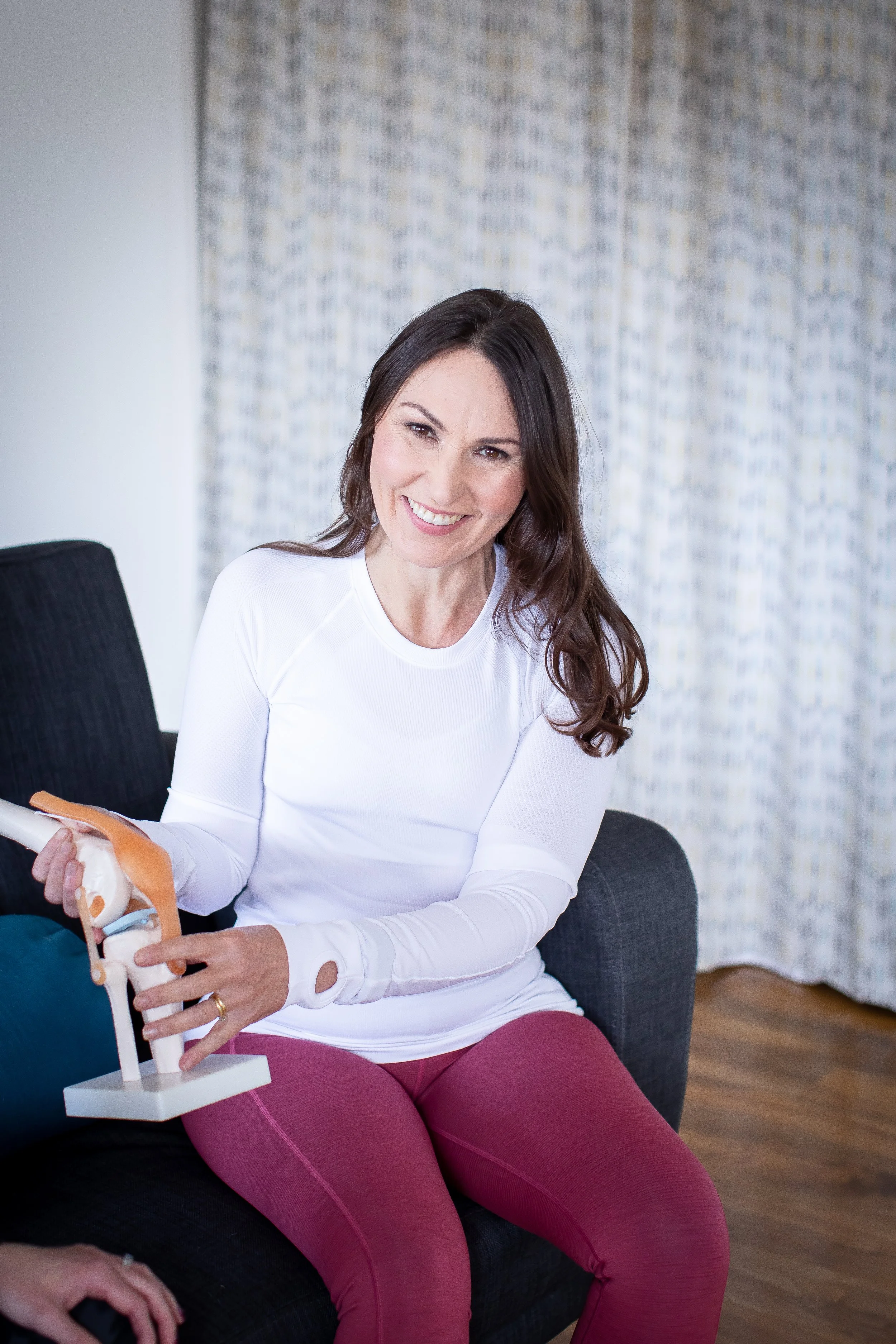
5 quick wins for collagen, cartilage and connective tissue
Treat injuries quickly. Delays can weaken joints and muscles further
Strengthen stability muscles around joints. Each joint has muscles crossing it which give control and stability. e.g. rotator cuff muscles around the shoulder.
Move a little, often, to stop joints getting stiff. Getting up from the desk regularly helps!
Cycling keeps the legs moving and lubricates joints
Do pelvic floor exercises, see a Specialist Women’s Health Physio if you have leakage, pain or problems
5. Reduced balance
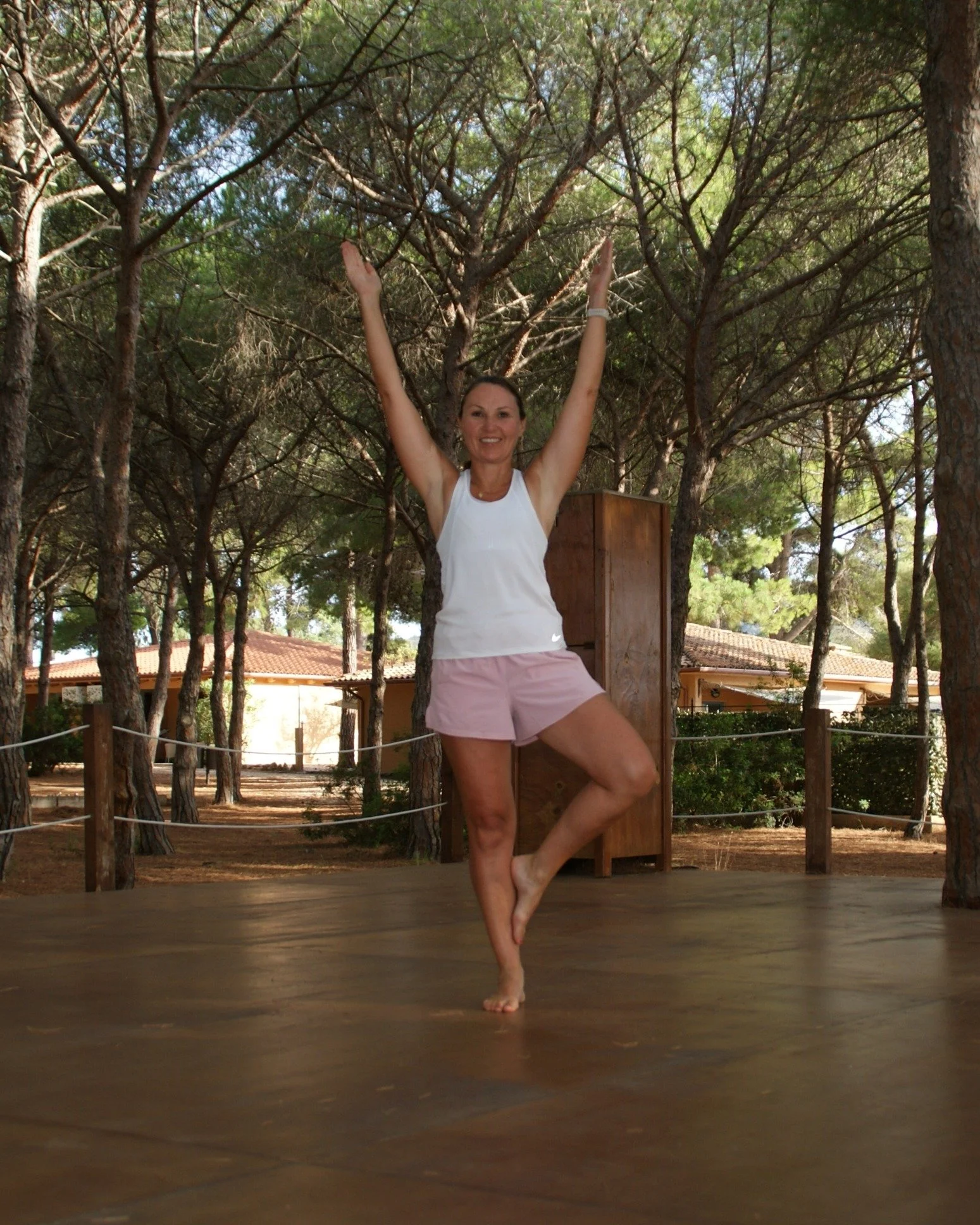
5 quick wins for balance
Practice standing balance in bare feet - eyes open or shut. Being bare foot allows us to use our feet in the way we were designed to
Yoga - I’m just about holding this pose for the picture but it can be hard!
Jump or hop. Remember skipping and hopscotch? They train us to be dynamic and respond to stumbles
Walk or jog on uneven paths
Try something outside your balance comfort zone. From dance to paddleboarding, there’s something for everyone. For more on this, see my blog on visiting a blue zone.
We talk about all these factors and how to help in our membership, The Anchor Collective, which I help run alongside Laura Clark, Menopause Dietitian. Click the button to learn more
References
Dufour, S. et al. Association between lumbopelvic pain and pelvic floor dysfunction in women: A cross sectional study. Musculoskeletal Science and Practice; Volume 34, April 2018: 47-53 https://doi.org/10.1016/j.msksp.2017.12.001
Blumer et al. 2023. Arthralgia of the menopause - a retrospective review. Post Reprod Health. 2023 Jun;29(2):95-97. doi: 10.1177/20533691231172565. Epub 2023 May 1
Bondarev et al. Physical Performance during the menopause transition and the role of physical activity. 2021. J Gerontol A Biol Sci Med Sci Aug 13;76(9):1587-1590. doi: 10.1093/gerona/glaa292
Douglas-Harris, M and Ramaskandhan, J. Menopause and plantar heel pain: a ppi and co production journey. 2024. Newcastle Biomedical Research Centre. https://www.researchgate.net/publication/393281614_Menopause_and_Plantar_Heel_Pain_A_PPI_and_co_production_journey
El Khoudary, S, et al. The menopause transition and women's health at midlife: a progress report from the Study of Women's Health Across the Nation (SWAN). Menopause 2019: 26(10)
Gulati et al. The influence of sex hormones on musculoskeletal pain and osteoarthritis. The Lancet. April 2023. Vol 5 Issue 4.
Isenmann et al. Resistance training alters body composition in middle-aged women depending on menopause - A 20-week control trial BMC Women's Health volume 23, Article number: 526 (2023)
Kang et al. Effect of Sedentary Time on the risk of orthopaedic problems in people aged 50 years and older. The Journal of nutrition, health and aging. 2020. Vol 24 (8) pp 839-845. https://doi.org/10.1007/s12603-020-1391-7
Karlamangla et al. Bone health during the menopause transition and beyond. Obstet Gynecol Clin North Am. 2018 Oct 25;45(4):695–708. doi: 10.1016/j.ogc.2018.07.012
Lu CB, Liu PF, Zhou YS, et al. Musculoskeletal pain during the menopausal transition: a systematic review and meta-analysis. Neural Plast. 2020;2020:8842110–8842110. doi: 10.1155/2020/8842110
Chan S, Gomes A, Singh RS. Is menopause still evolving? Evidence from a longitudinal study of multiethnic populations and its relevance to women’s health. BMC Womens Health. 2020;20(1):74. doi: 10.1186/s12905-020-00932-8.
Rothschild C and Collingwood T. Maximising Running Participation through menopause. Journal of Women's & Pelvic Health Physical Therapy 47(2):p 133-143, April/June 2023. | DOI: 10.1097/JWH.0000000000000276
Saltzman et al. Poster 188: Is Hormone Replacing Therapy Associated with Reduced Risk of Adhesive Capsulitis in Menopausal Women? A Single Center Analysis. Orthop J Sports Med. 2023 Jul 31;11(7 suppl3):2325967123S00174. doi: 10.1177/2325967123S00174
Volpi et al. Muscle tissue changes with aging. Curr Opin Clin Nutr Metab Care. 2004 Jul;7(4):405–410. 10.1097/01.mco.0000134362.76653.b2
Wang et al. Mechanistic insights into the anti-fibrotic effects of Estrogen via the PI3K-Akt Pathway in Frozen Shoulder. The Journal of Steroid Biochemistry and Molecular Biology, 2025 p.106701. doi: 10.1016/j.jsbmb.2025.106701.
Wright et al. Musculo-skeletal Syndrome of the Menopause. Climacteric Oct 2024.27(5):466-472. doi: 10.1080/13697137.2024.2380363.
Williams et al. Hormone replacement therapy (conjugated oestrogens plus bazedoxifene) for post-menopausal women with symptomatic hand osteoarthritis: primary report from the HOPE-e randomised, placebo-controlled, feasibility study. Lancet Rheumatol. 2022 Sep 21;4(10):e725-e737. doi: 10.1016/S2665-9913(22)00218-1