Startling truths, shared insights: The London Everywoman Festival 2026
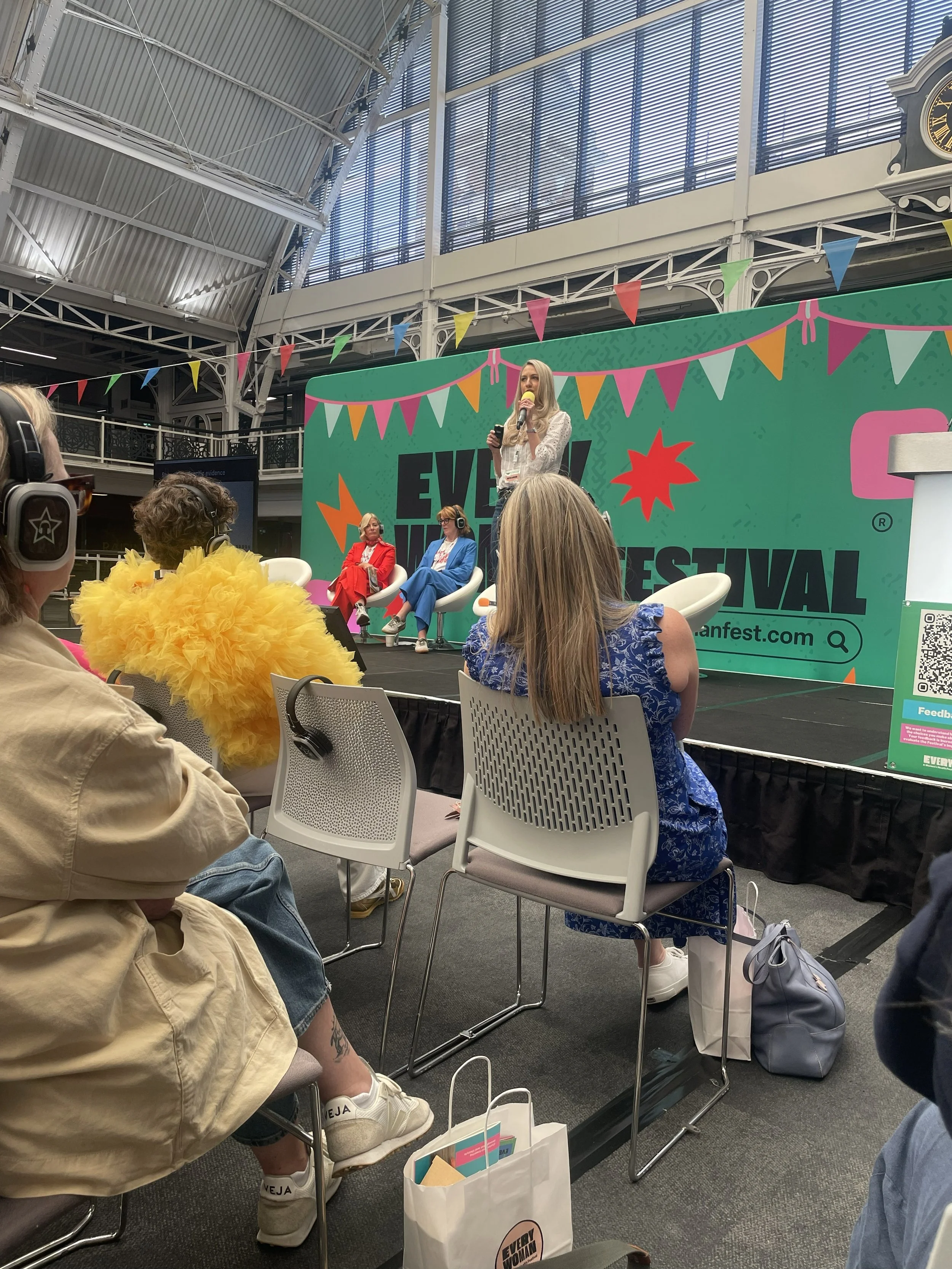
This month’s Everywoman Festival, now in it’s 4th year, has become a recurring annual event for me, both as a speaker and attendee. The Festival, celebrates women’s health, taking it out of the shadows and the world of academia and hospital corridors, and putting it front and centre of women’s lives. It also pushes the boundaries, with an unashamed feminist agenda that calls for us to understand and advocate for our health and the health of our female patients.

The festival’s founder is Professor Julie Cornish, a colorectal surgeon with a specialist interest in pelvic health and cancer. It came into being through a frustration at women accepting symptoms of genuine health problems as ‘normal’ and the need for women to understand how their bodies work and how they can support themselves through seeking help and advice.
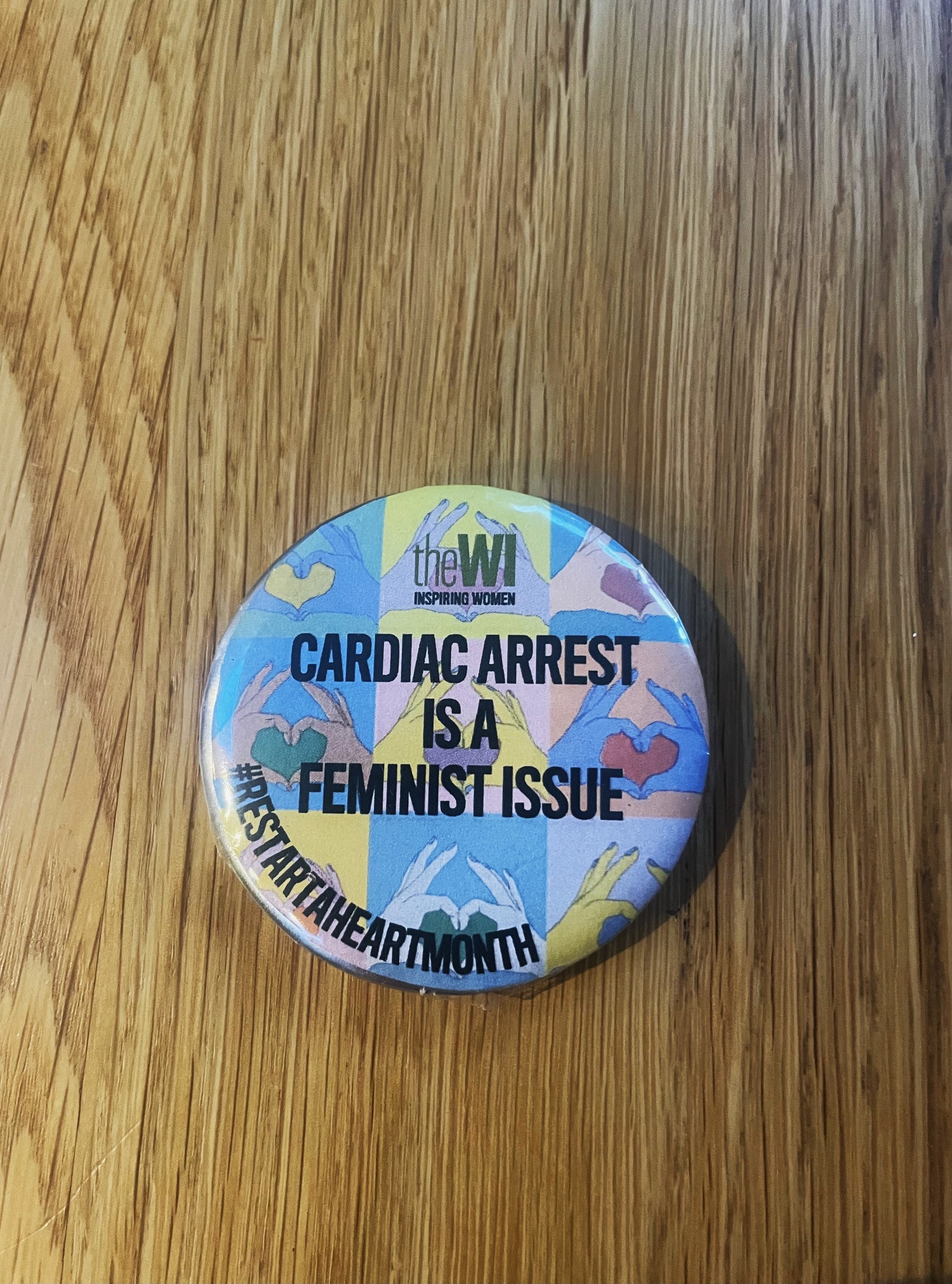
Early in the day we heard from Professor Dame Lesley Regan, the Government’s first ever Women’s Health Ambassador for England. There was no messing around - she cut straight to the confronting information that women need to know and addressed the important question “What are women most likely to die of?”
Women are twice as likely to die of cardiovascular disease (e.g. heart attacks, strokes) as all female cancers combined (e.g. breast, cervical, uterine, ovarian). That’s not to diminish these cancers, rather a reminder to eat, move and live well.
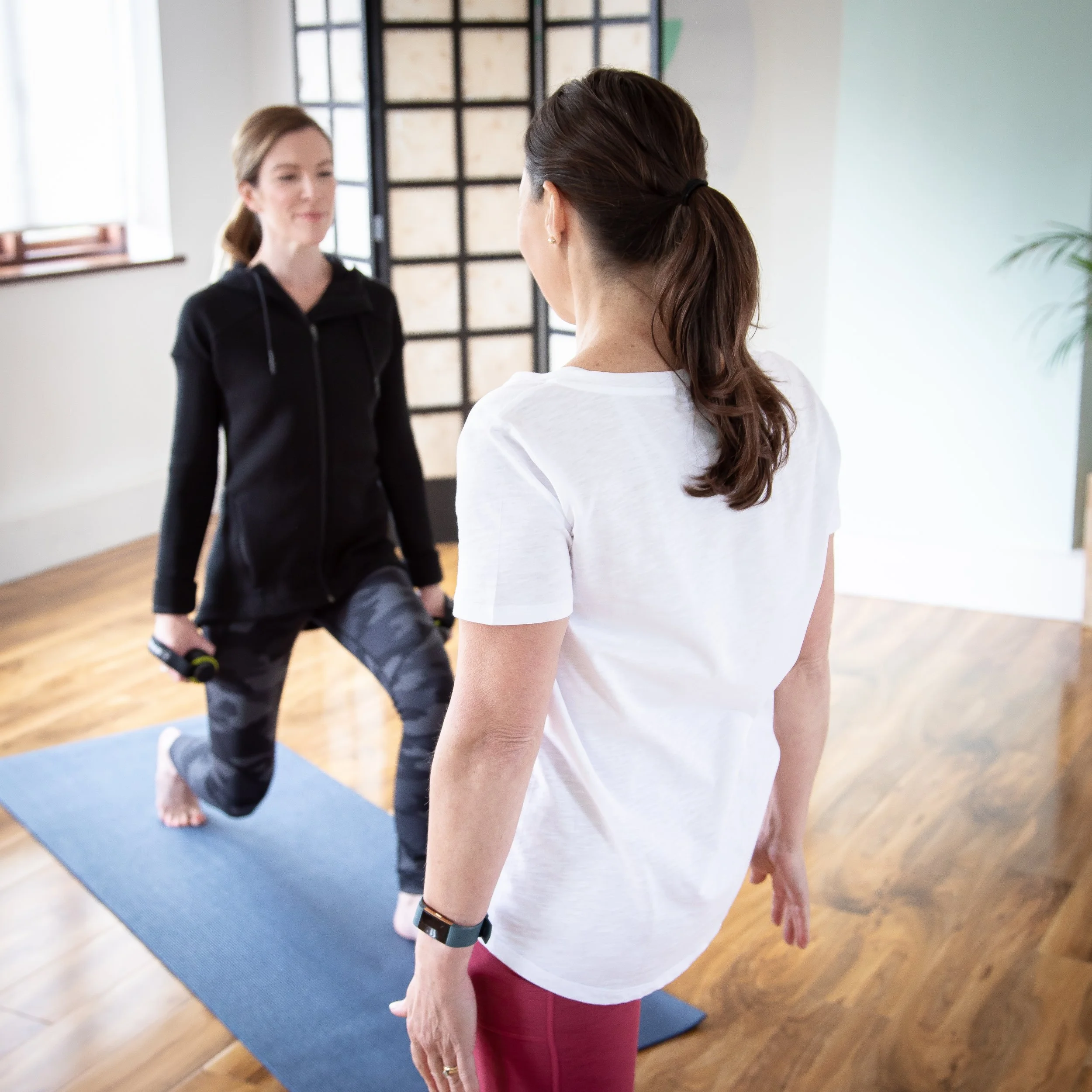
Dame Lesley was asked what’s the most important thing women can do to support their future health in perimenopause? Her response: “Strengthen the muscles that get you out of a chair.” Why? Women lose their independence when they lose their ability to get up and walk well. There’s a direct link between bone and muscle loss during perimenopause, the steps we take in midlife to stay strong and our ability to stay strong and independent later in life. See my blog on musculo-skeletal syndrome of the menopause to explore this further.
What does the evidence say we need to do for our future health? An editorial review in this month’s British Journal of Sports Medicine supports this. It outlines how the ‘sit to stand test’ - which tests how well and how quickly we go from sitting to standing - is highly predictive of multiple health conditions, including impaired joints and muscles, disability, depression, diabetes and type 2 diabetes.
Other highlights included
Listening to Dr Liz O’Riordan, former breast cancer surgeon and breast cancer survivor, dispelling breast cancer myths and her experiences of being a patient. There are no magic foods or supplements which will prevent cancer, and while alcohol can increase risk, Dr Liz put this in context. Misinformation can distract us from behaviours that science has proven to reduce cancer risk - exercise, moving well, effectively managing stress and weight. As a Physio who sees women who have had breast cancer and live with residual changes to their shoulder movement, pain and lymphoedema, the session was insightful.
Understanding more about gut health and probiotics from fellow Aussie and leading dietitian and researcher Dr Megan Rossi. I loved her analogy between bacterial strains in our gut and dogs! She explained that expecting all probiotic live bacteria shots to have similar effects is a bit like expecting all dog breeds to have the same appearance and temperament. You wouldn’t buy an aggressive breed of dog if you are looking for a gentle, family friendly dog, so why not apply this logic to buying probiotics and supporting gut health? A dose of bacteria, known as a ‘strain’, serves a unique purpose, and is most effective in the right dose and format. See here for the deep dive on bacterial strains. I’m going to borrow this analogy when explaining why we need to be really specific with exercise prescription.
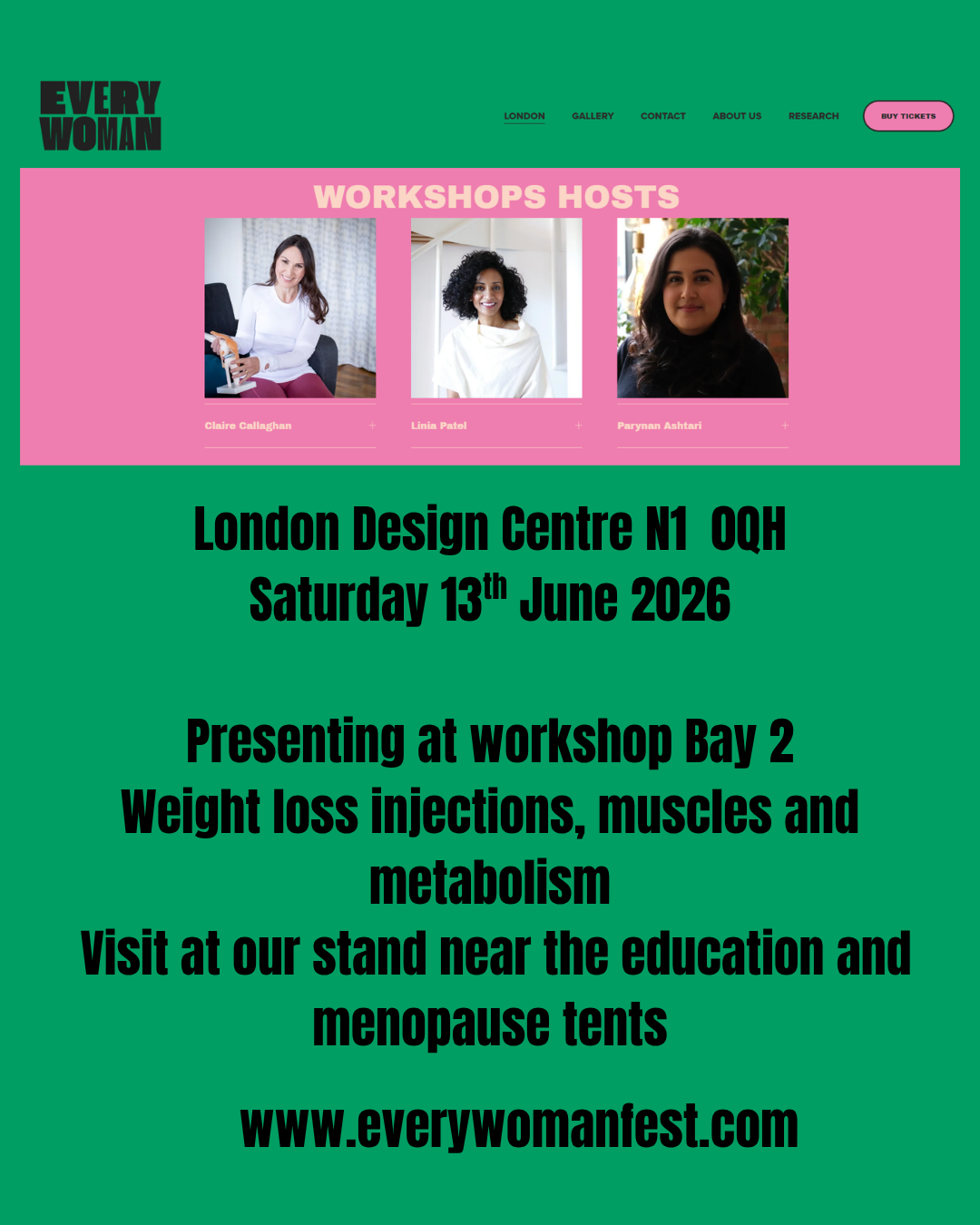
Hosting my workshop on weight loss injections, muscles, joints and bones. Unsurprisingly, women between 40 and 59 make up the majority of weight loss injection users in the UK and it’s estimated that over 2 million Brits are on these meds. Recent research from the University of Copenhagen (May 2026) found a third of weight lost by people using the jabs comes from muscle and bone, compared with 14% through diet and exercise. I revealed my 5 essentials to strengthen muscles, support joints and minimise bone and muscle loss on the jabs. Some positves: early research shows that using the meds may help some with knee osteoarthritis by reducing pressure on joints and wider systemic inflammation.
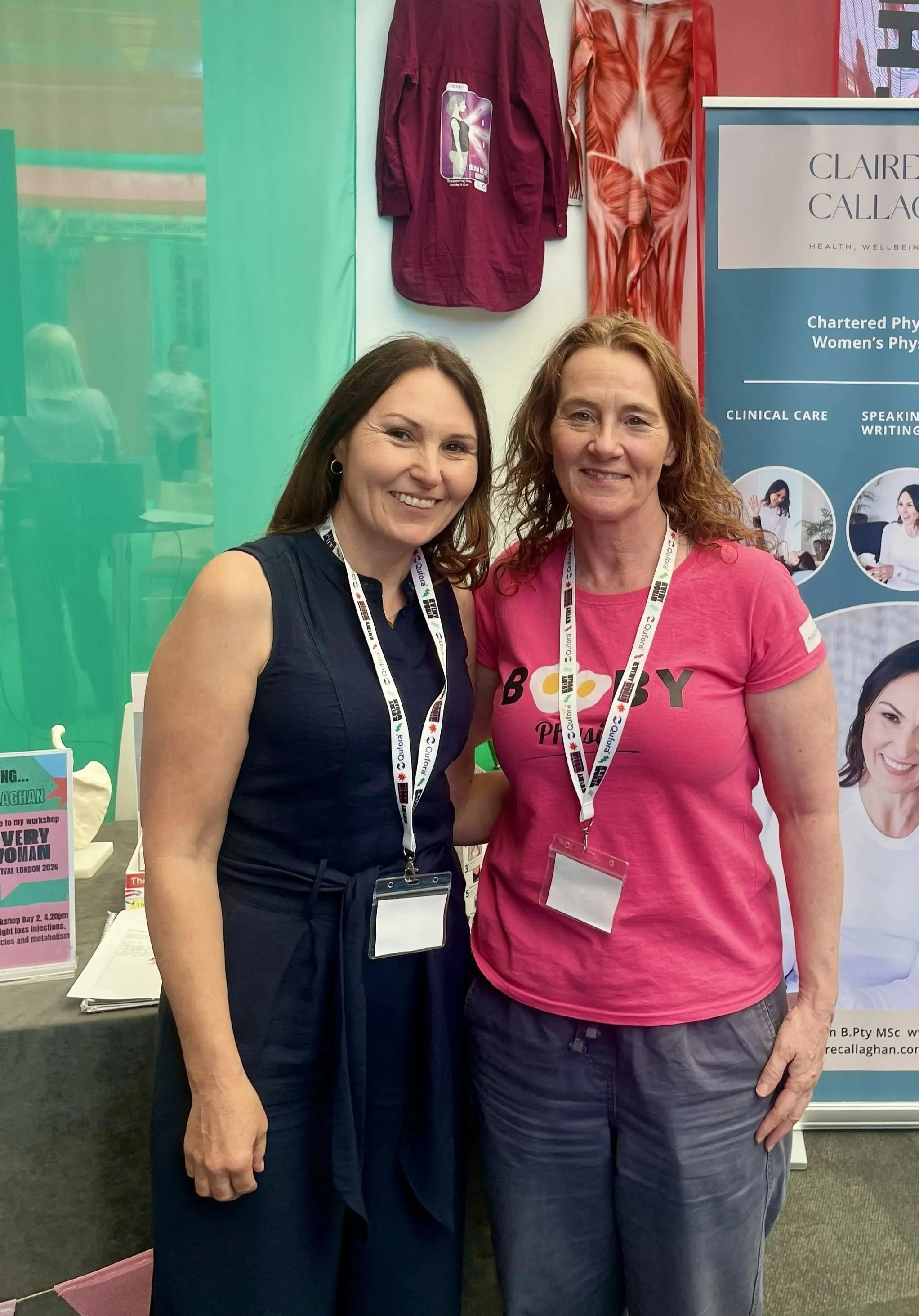
Sharing a stand and neverending chat with Siobhan O’Donovan aka Posture Fititng Physio. Her question to every woman - are you wearing someone else’s bra (ie the wrong size)? Most of us are. If your posture, confidence and ability to do sport are limited by chest, neck or mid back pain, see one of her Physio network and see her website. She provides great CPD for Physios too. Make it stand out
Whatever it is, the way you tell your story online can make all the difference.
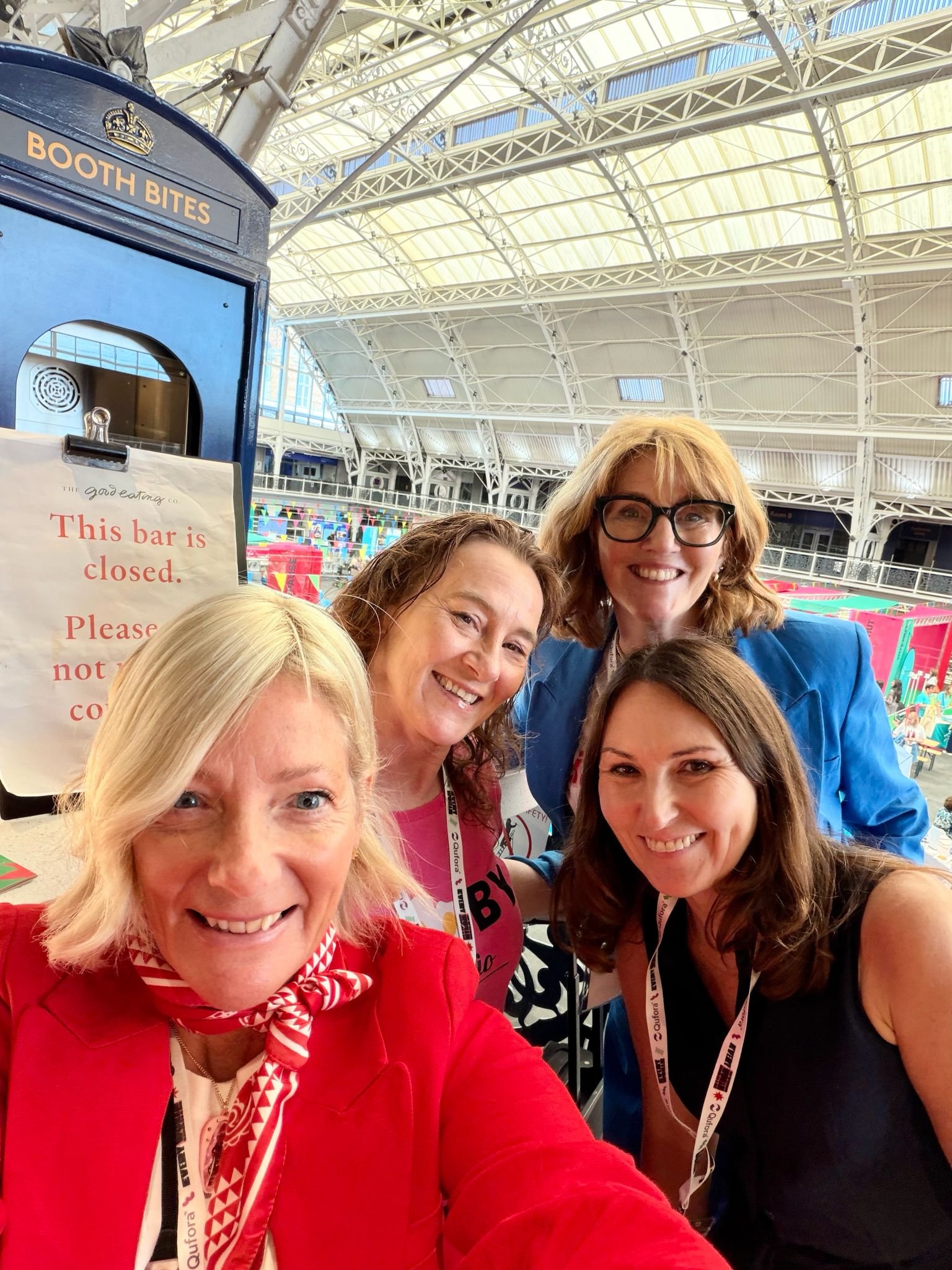
Chatting with Jinty and Lou from @womankindcollective and learning about their podcast ‘Spill the Tea’. Misogyny, the gender gap and funding gaps in healthcare - they cover it and more in their latest series. They chat with high profile figures like Wes Streeting (before he dramatically left his ministerial post in Health and Social Care) and the Women’s Health Minister Baroness Gillian Merron about the revised Women's Health Strategy and journalist Rosie Taylor about birth trauma and why postnatal care is described as the "Cinderella" of midwifery (just £250 is allocated per woman - it’s peanuts!).
It was lovely to meet so many likeminded women actively seeking and sharing women’s health insights and practical tips. Huge thanks to the incredible Julie and the Everywoman team for bringing together so many women’s health experts and enthusiasts and actively addressing women’s health issues.