5 essentials for women’s resistance training
It’s no secret that working your muscles against resistance builds necessary strength and supports our health, and that this strenghtening more important than ever as we get older. As for what to do, that’s been made complicated. It’s time for a simple approach.
We live in an era where we’re bombarded with images of svelte 90s Spice Girls and Friends stars doing their workouts. Don’t get me wrong - I’m as curious as the next instagram scroller, but my interest is tempered with knowing that training like this is not most women’s reality. It’s best to be grounded in doing moving regularly and within the confines of what’s possible and affordable for you.
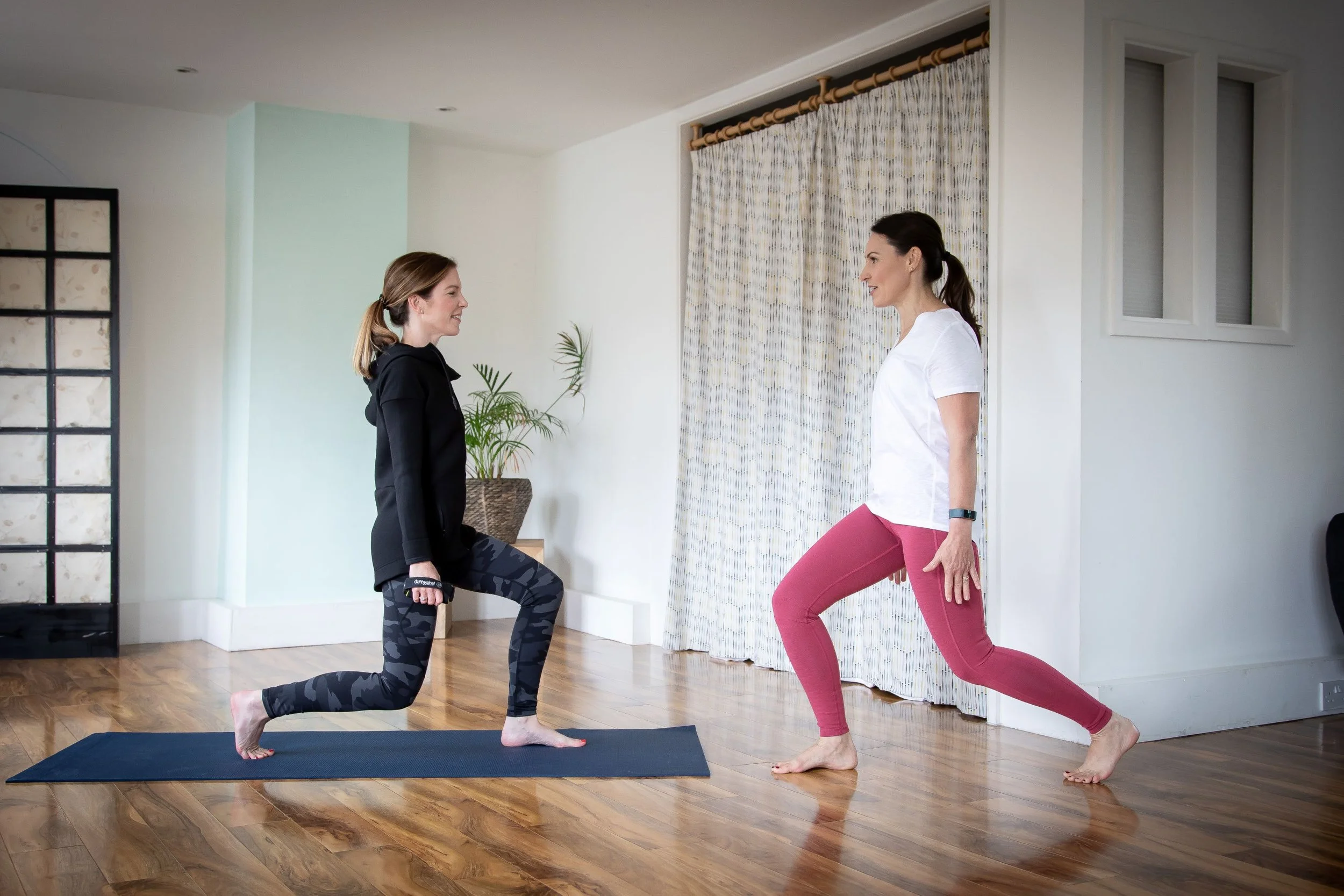
The American College of Sports Medicine (ACSM) have updated their guidance for the first time in 17 years. It reflects the latest research and is based on over 137 studies and 30 000 participants. Whilst it’s from the US, it applies universally. It’s so refreshing to see the shift in philosophy from complex, rigid and potentially unattainable recommendations to a realistic, “some is better than none”, flexible approach.
What is classed as resistance training exercise for women?
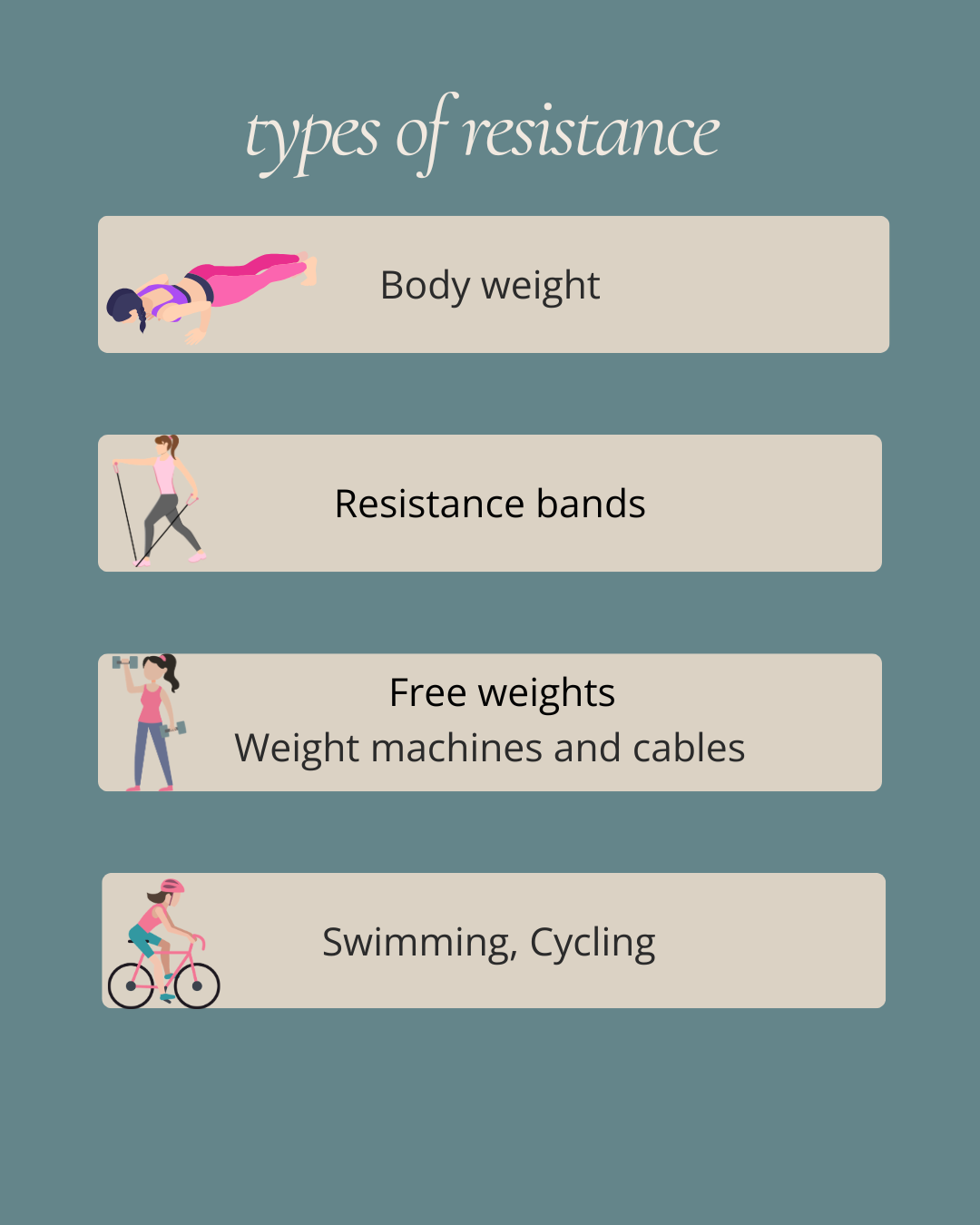
Resistance exercise refers to working against an internal or external force to build strength. It can be as simple as using your body weight as a resistance, or involve complex weights. Either way, simple resistance exercises, when targeting specific muscle groups, are highly effective.
I’ve reviewed the recently published guidance and highlighted the 5 essentials for women’s resistance training and how to maintain and improve strength for your health.
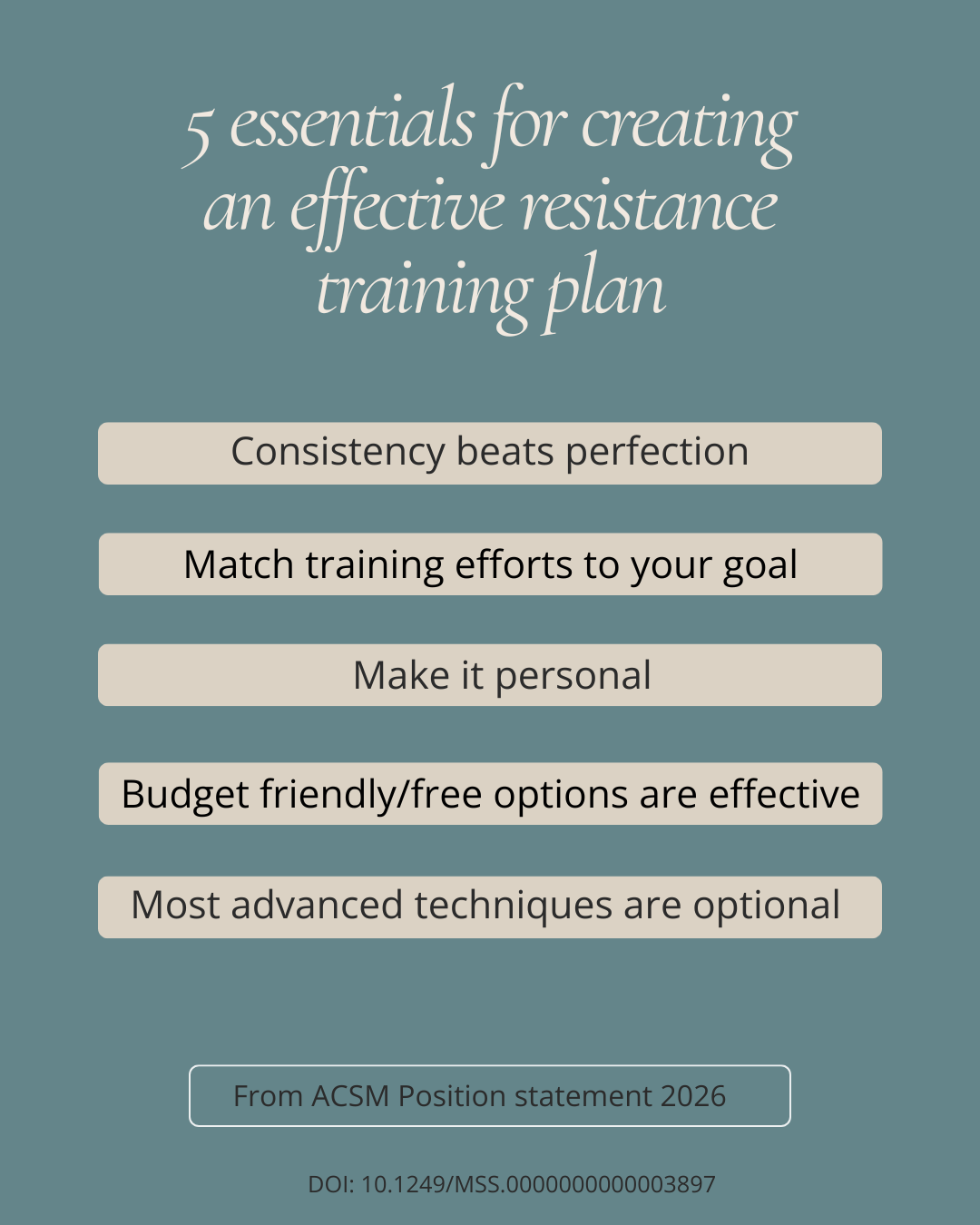
1 Consistency beats perfection
Research shows doing something regularly that you can genuinely commit to is best. The biggest jump happens when you go from doing no resistance training to doing something.
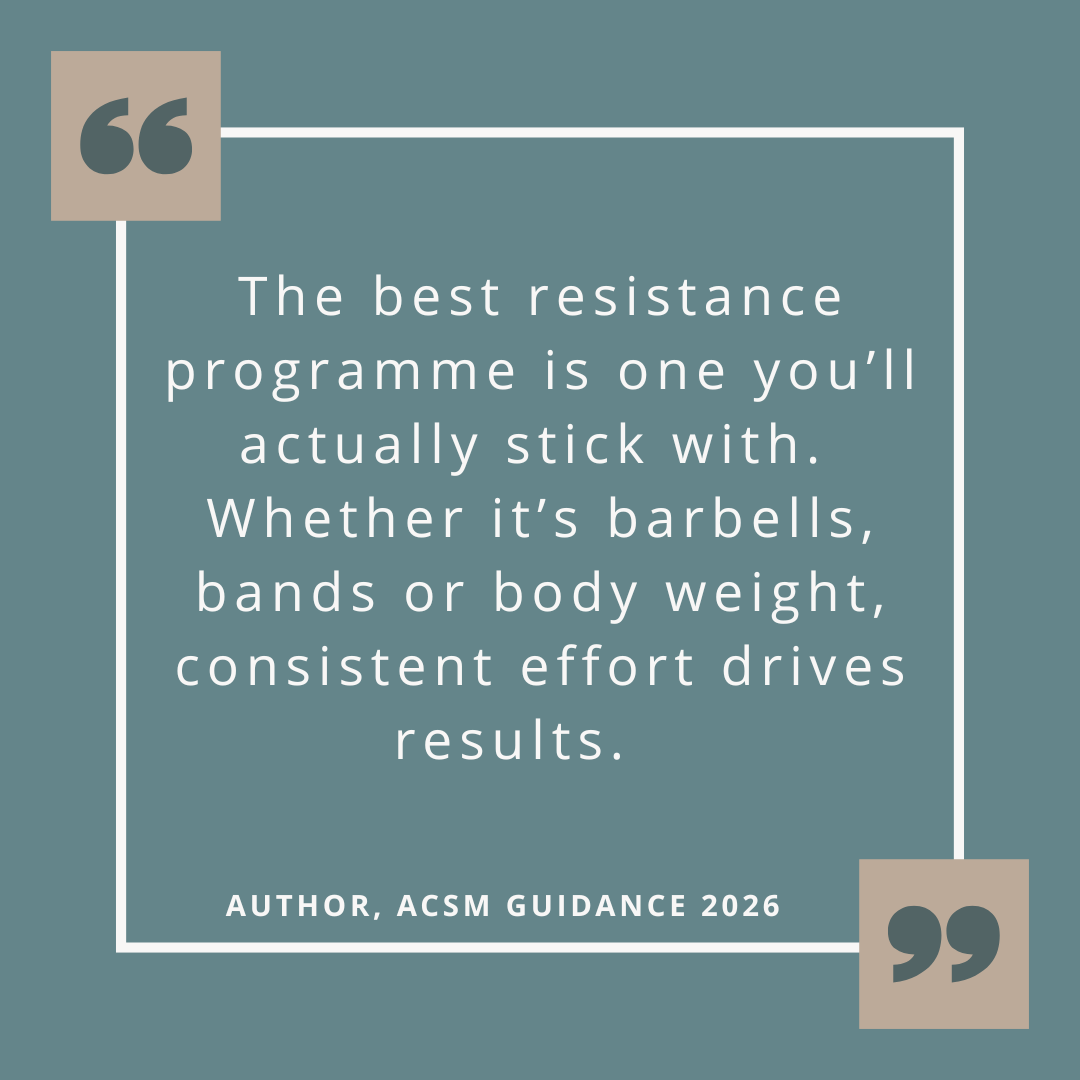
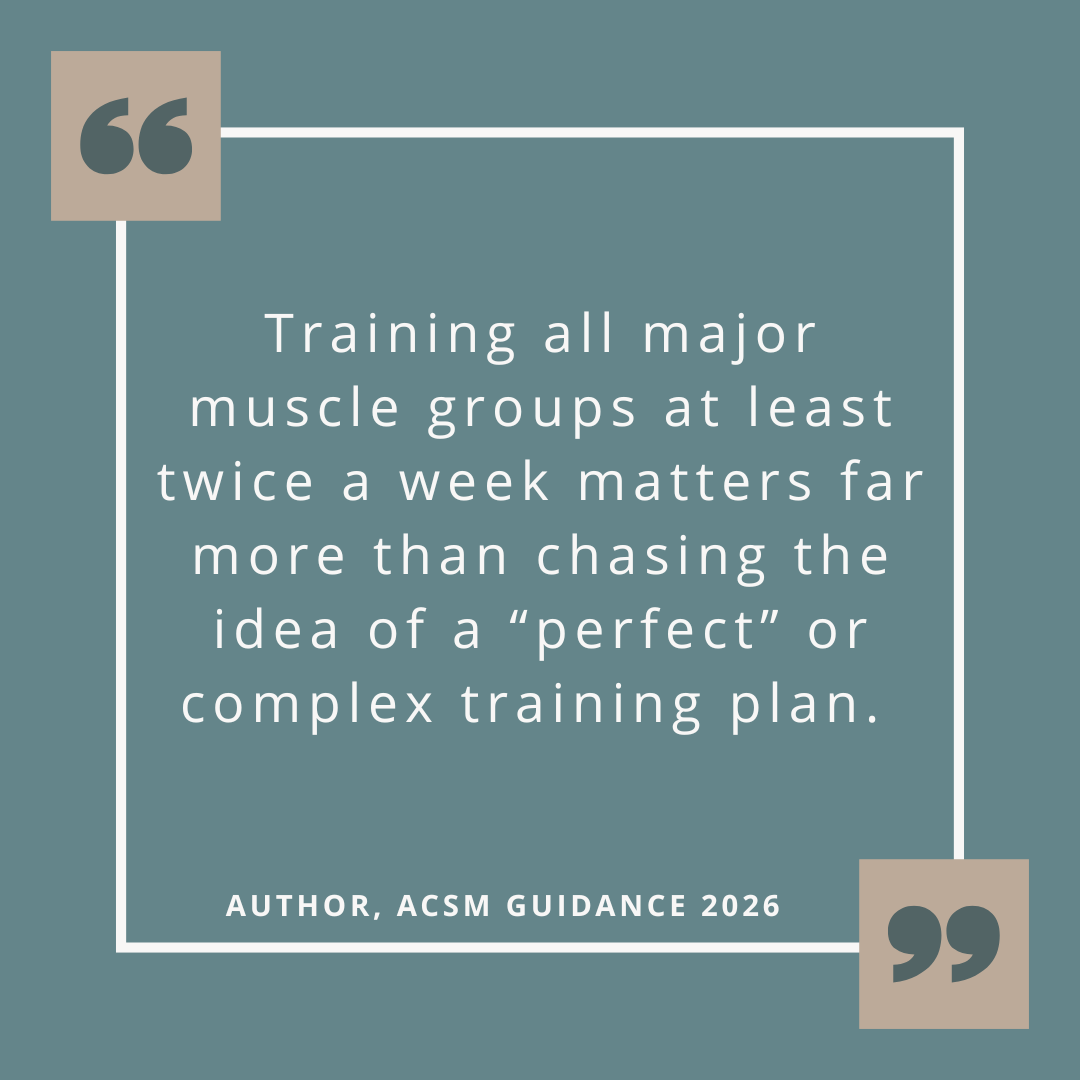
This quote from key author of the ACSM guidance reflects the long overdue shift towards being practical rather than perfectionist.This liberates women from the bounds of having to ‘go hard or go home.’ Instead it’s about doing what you can, when you can, and doing it regularly. It’s recommended that all UK adults do 2 strengthening sessions twice a week. Start with what’s possible. If committing to movement is hard, try 10 minute blocks. These do make a difference and can be a building block for a lasting habit.
2 Match training efforts to your goal
How many repetitions you do and how heavy your weight directly impact the result you will get. To get the results you want, think about your goals. To make real changes that will help maintain muscle mass and strong bones in peri and post menopause, focus on strength. That’s not to say training power and endurance training won’t help women - it’s part of the picture, especially if you’re doing sports which require endurance (e.g. running or hockey) or power (cross fit). For women over 40, it’s the strength training - higher weights, fewer reps - which really shifts the dial. This is hard, but time efficient, which is good news for many.
Repetition Max
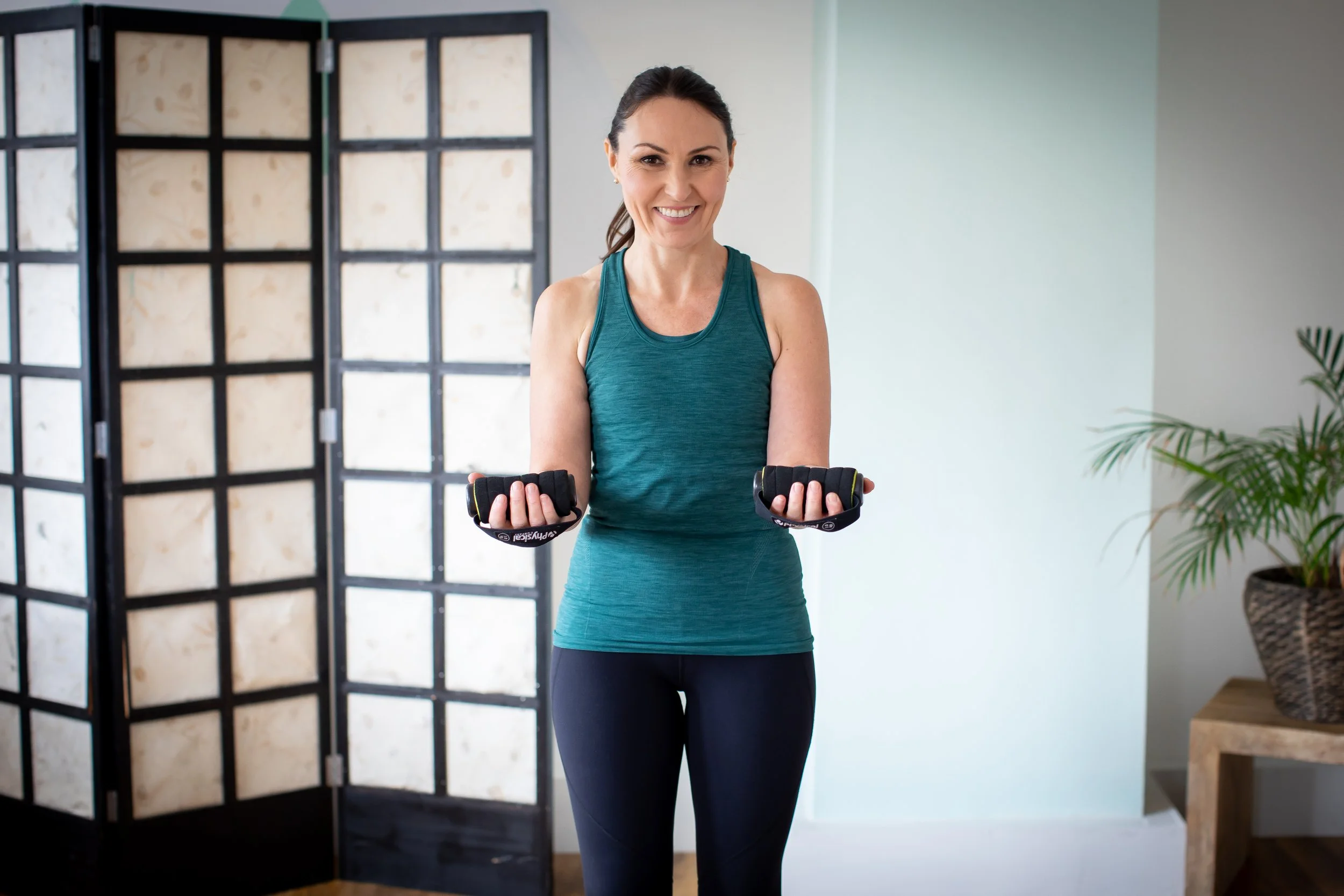
To understand how heavy your resistance should be, you need to understand the repetition max concept. A repetition max is the maximum amount you can lift or move against for a single, full-range repetition of a specific movement with good technique. It’s the "gold standard" for measuring your strength.
How heavy should I lift and how many repetitions of an exercise should women do?
Here’s the research based formula to help you understand how heavy to go and how many repetitions to do. Don’t increase weights quickly - it’s a sure way to get injured.
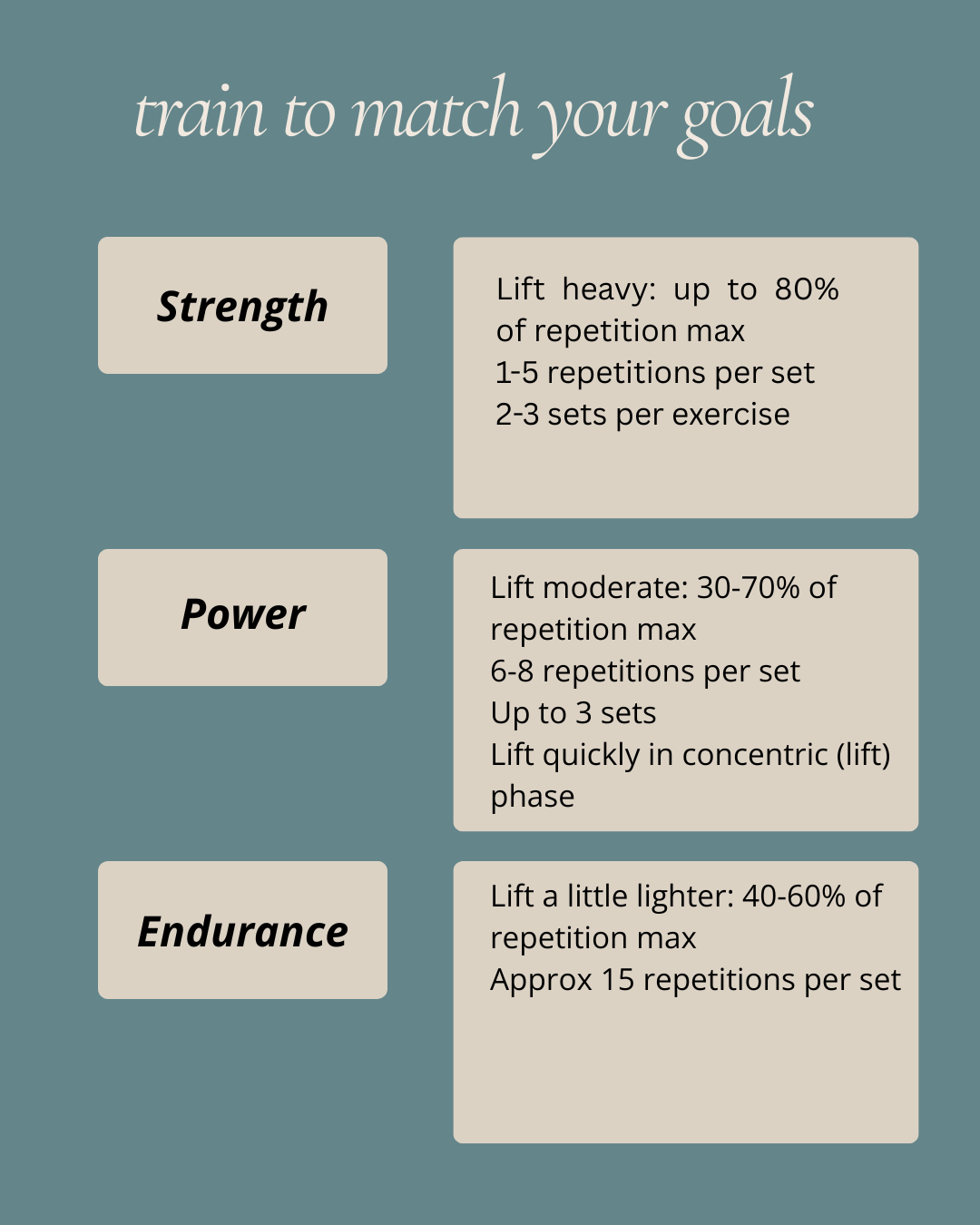
A simple guide of what women need to do to get the results they want from training.
3 Make it personal
You can go online and find generic programmes - but are they right for you? Any routine has to fit into your weekly plans and your budget. It also has to meet your goals and needs. Movement should be injury specific, sports specific, female specific and age specific. What’s right on tiktok for my teens isn’t necessarily right for me! It’s obvious, but we all make errors by following the leads of others.
Injury specific
If you’re injured or in pain, you want to strengthen the muscles in a way which a) doesn’t aggravate pain and b) works the right muscles in a helpful way. For example, if you have a sore outer hip when standing, strengthening exercises you do should be targeted to working the gluteal muscles in a way which doesn’t aggravate pain and works the deep gluteal muscles when the leg is taking weight.
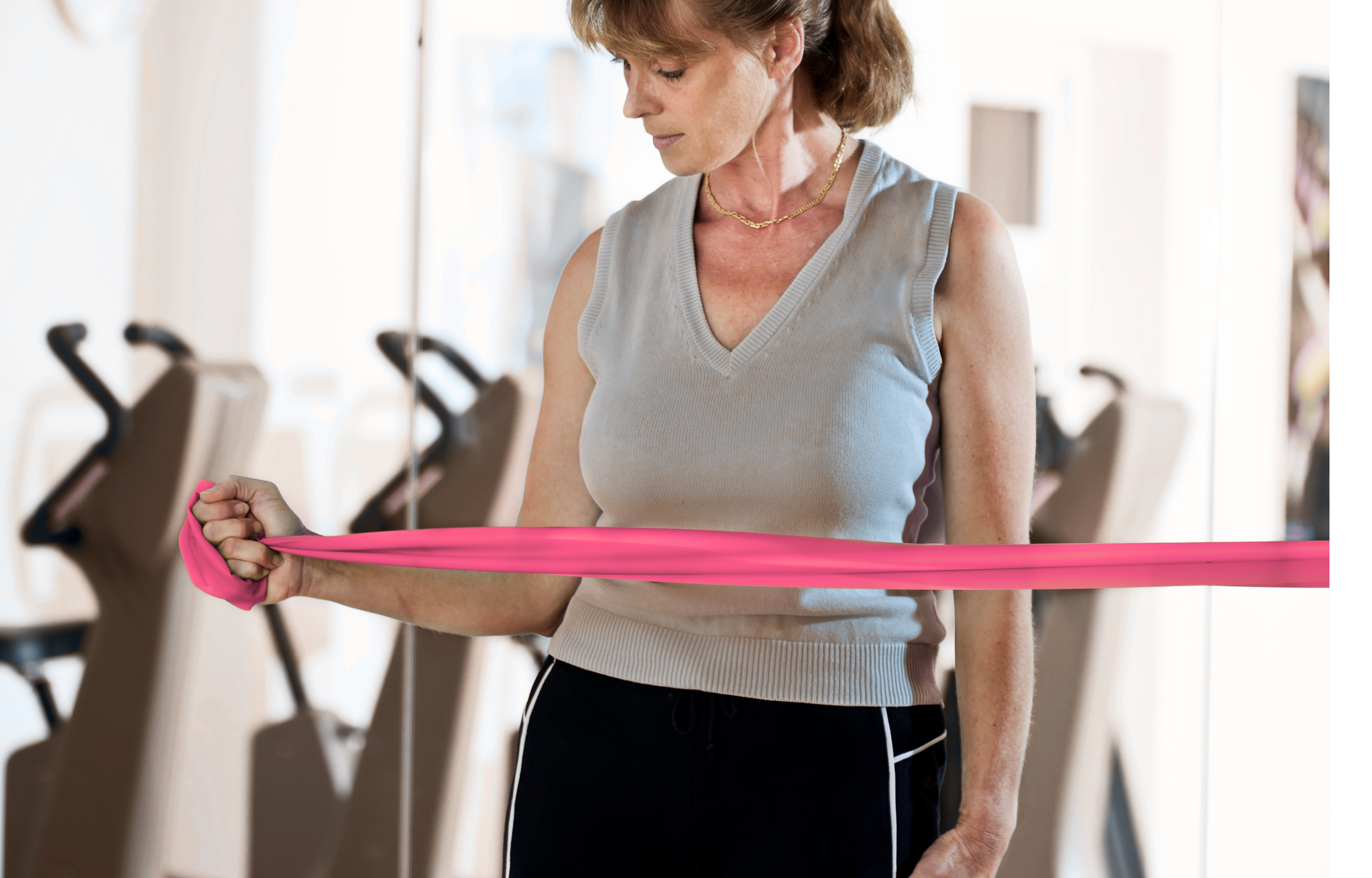
Sport specific
If you’re training to help you play or do a sport, training should be sports specific. For example, a tennis player should strengthen the rotator cuff to help with topspin and a golfer needs to strengthen the back in rotation.
A physio with expertise in women and sport can help you.
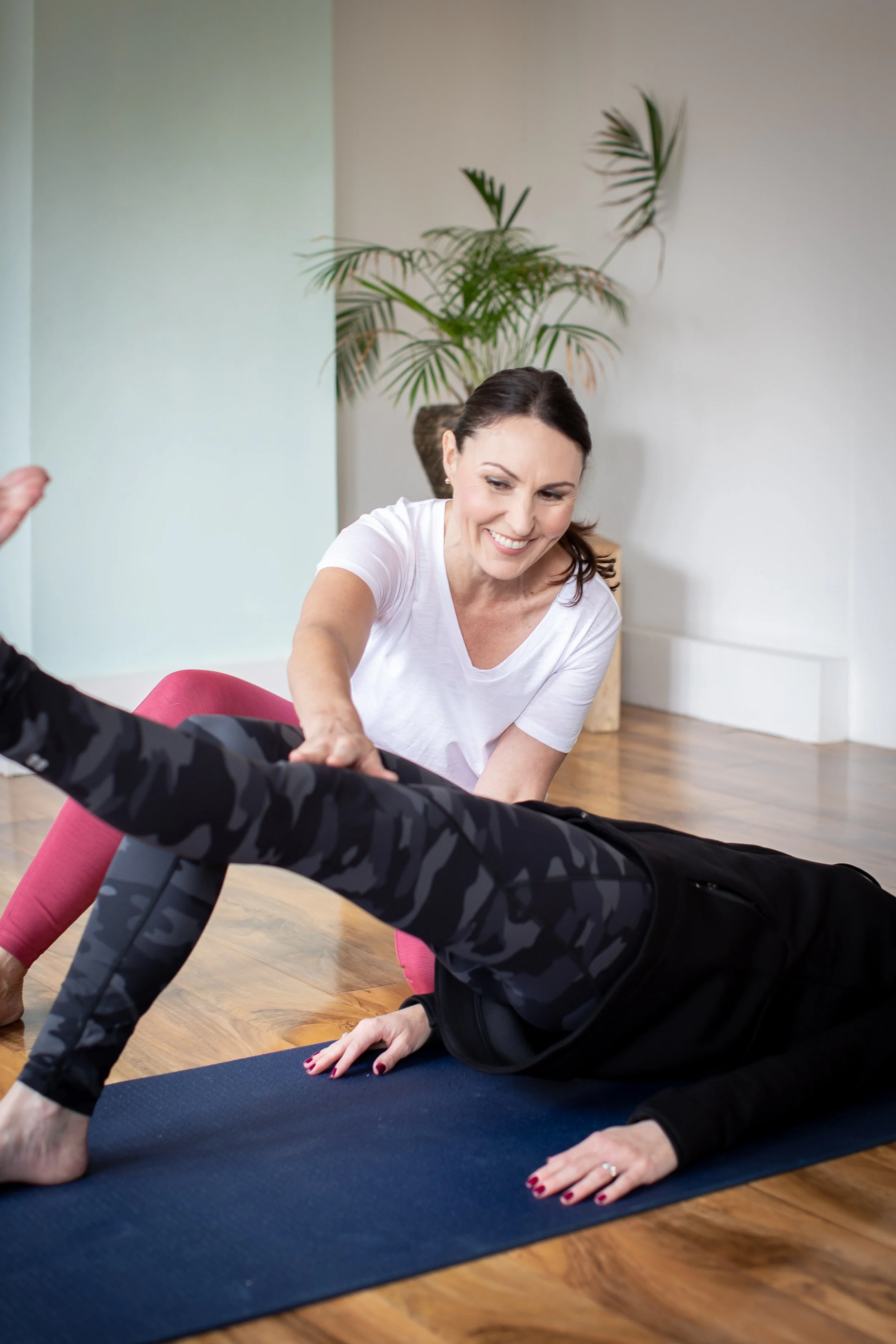
Female specific and age specific
For women, their life stage and personal history need to be accounted for. For example, if you have had a c section, hysterectomy or another type of abdominal surgery, you are more likely to have some deep abdominal weakness as muscles have been cut through. Just strengthening abdominals without considering deep muscles won’t give you the tummy strength you want. Similarly if you have pelvic floor weakness, if leaking is an issue or menopause is influencing your joint pain, this needs to be considered when planning workouts. Midlife women generally need more strength work.
It’s not just pain = gain. A female specific expert can help you shape your training.
4 Budget friendly/free options are effective
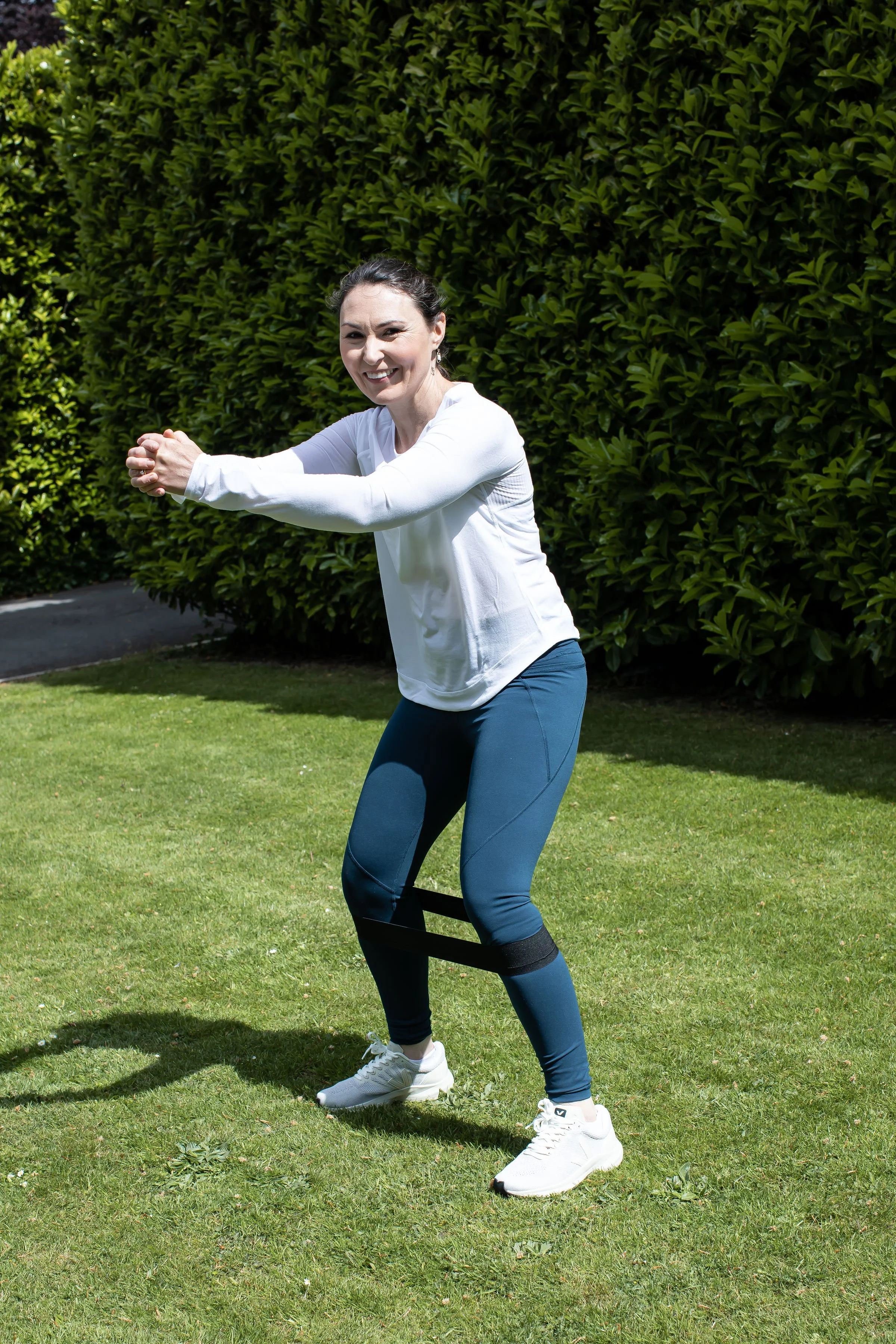
Gyms are great for some, but not essential. Using body weight exercises, free weights at home and resistance bands have been shown to be highly effective.
My top tips for doing resistance exercise at home:
Use a decent exercise mat - worth the investment to support your back and absorb impact
Use the right level of resistance for you - I’ve seen women who’ve hurt themselves using their husband or son’s heavy weights!
Make sure weights are easy to grip
Have a variety of bands if you can - long, loop bands and different strengths
5 Most advanced techniques are optional
For most of us, sticking to the basics has been shown to be as effective as advanced, complex movements. You are absolved from the need to do exercises with fancy names that are sometimes intimidating.
Comparison’s a killer. Stick to your own path. Following these clear steps will give you the clarity and progression you need to meet your own personal goals.
If you found this useful, you might be interested in understanding why strength is so important in midlife in my blog on Musculoskeletal Syndrome of the Menopause.
We delve into this, alongside nutrition, psychological support and practical food tips from food writers and chefs in our membership group, The Anchor Collective. Click here if you’re curious.
References:
1) Currier et al. American College of Sports Medicine Position Stand. Resistance Training Prescription for Muscle Function, Hypertrophy, and Physical Performance in Healthy Adults: An Overview of Reviews. 2026 Apr 1;58(4):851-872.2. doi: 10.1249/MSS.0000000000003897.
2) https://www.gov.uk/government/publications/physical-activity-guidelines-adults-and-older-adults
3) Currier et al. Resistance training prescription for muscle strength and hypertrophy in healthy adults: a systematic review and Bayesian network meta-analysis. 2023, Sept. Vol 57-18. https://bjsm.bmj.com/content/57/18/1211